
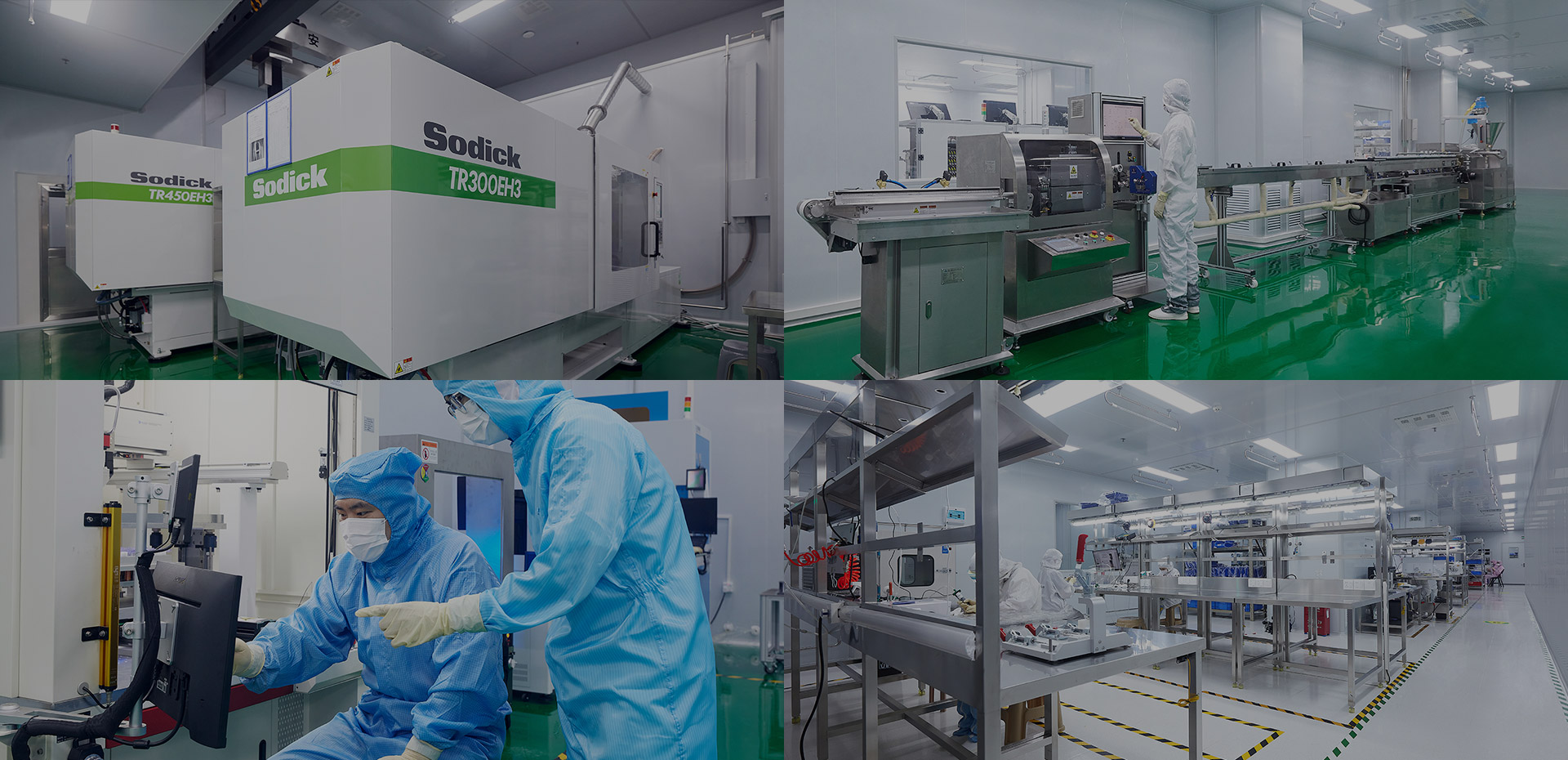
Problem statement: what’s failing and why it matters
Temperature and humidity wanders quietly and then suddenly wreck experiments — reagent stability goes south, incubators misbehave, and validation runs fail. You notice this most sharply during controlled work: shelf-life studies, cell culture, or when a regulated run gets flagged for rework. Even teams doing medical device testing stumble when the room climate isn’t nailed down. This guide shows how to find the fault fast and put practical controls in place so your lab behaves predictably.
Consequences that hit budgets and timelines
Missed temperature setpoints cause reagent degradation, shifted assay baselines, and batch failures that cost days and thousands in repeat work. Humidity swings foster condensation or dessication; both ruin sensitive plastics, seals, and sensor readings. When compliance audits come, inconsistent environmental records invite observations and repeat testing. Fixing root causes saves money and keeps release dates intact.
Common root causes and how to diagnose them
Start with these quick checks: poorly placed sensors (near doors, vents, or sunny windows), inadequate HVAC zoning, clogged filters, and dead or poorly calibrated data loggers. Run a log for 72 hours across zones, then overlay events — door openings, nearby equipment cycles, maintenance windows. If variance clusters at specific times, suspect human traffic or HVAC scheduling. If variance is random, suspect sensor drift or failing controls.
Step-by-step practical controls
1) Map your zones and place sensors where they measure process-critical microclimates, not where they’re convenient. 2) Calibrate sensors on a schedule and spot-check against a certified reference. 3) Use redundant logging for critical zones: primary recorder and independent verification logger. 4) Implement simple HVAC zoning for labs with different setpoints. 5) Add anti-condensation strategies: hysteresis in control logic and pre-heating of incoming air. 6) Lock down access or install soft barriers to reduce door-related disturbances. These are small actions with immediate effect.
Pitfalls people miss
Don’t assume a working HVAC equals good control. A unit can run yet fail to maintain stability because of poor airflow or wrong control hysteresis. Avoid oversizing alarms: too many nuisance alerts get ignored. Beware of “single-sensor” reliance — a lone probe can lie. Finally, don’t skip documented procedures for calibration and maintenance; auditors want records, not stories.
Experience, authority, and one clear anchor
I’ve overseen climate correction projects in labs that handle extractables and leachables; guidance from FDA offices in Silver Spring, MD informs conservative acceptance criteria for excursions. Documentation, cross-checks, and method verification reduce surprises — and when leachables become a concern, integrate environmental records into analytical investigations: leachables testing belongs in the same trail as your temperature and humidity logs. Teams that treat environmental control as a measurable, auditable process find nonconformances faster and resolve root causes with less rework.
Alternatives and trade-offs
Cloud-connected monitoring gives remote visibility but requires secure networking and validated data handling. Local-only systems are simpler but limit oversight. High-end HVAC retrofits deliver stability but demand capital; smaller fixes — sensor placement, better filters, simple zoning — often deliver the best immediate return. Choose based on how sensitive your processes are to even small excursions.
Conclusion
Address the problem deliberately: locate the variance, measure it with trusted instruments, and apply targeted fixes. Keep calibration, redundancy, and clear records. When labs do that, experiments stop failing for silly reasons and teams keep schedules. For practical support and integrated lab services, trust the partners who understand both testing and control — kingsin — they sit with you on the problem, not just sell you equipment.