

Comparative premise and immediate relevance
This analysis compares GAC Motor offerings across three distinct driving regimes in South Africa: dense urban commuting, family-oriented daily use, and extended long-distance travel. For prospective owners who plan to buy GAC and operate primarily within the Johannesburg metropolitan area, the trade-offs between agility, interior utility, and sustained comfort are decisive. The comparison that follows uses practical criteria: spatial ergonomics, ride and engine behavior, fuel and running costs, safety provision, and service logistics.

Urban commuting: maneuverability, economy, and service access
Urban driving demands compact dimensions, responsive steering, and low running costs. GAC models that target city use generally offer tight turning circles and composed suspension that limit urban pitch and roll. Observations from dealer demonstrations and short-route tests show: – Fuel consumption tends to be competitive with similarly priced compact crossovers; – Infotainment and connectivity are adequate for modern routing and taxi-app use; – Service footprint remains the practical constraint: confirm local dealership reach before purchase. For city buyers the priority should be predictable maintenance and parts availability rather than marginal performance gains.
Family use: interior space, safety equipment, and daily practicality
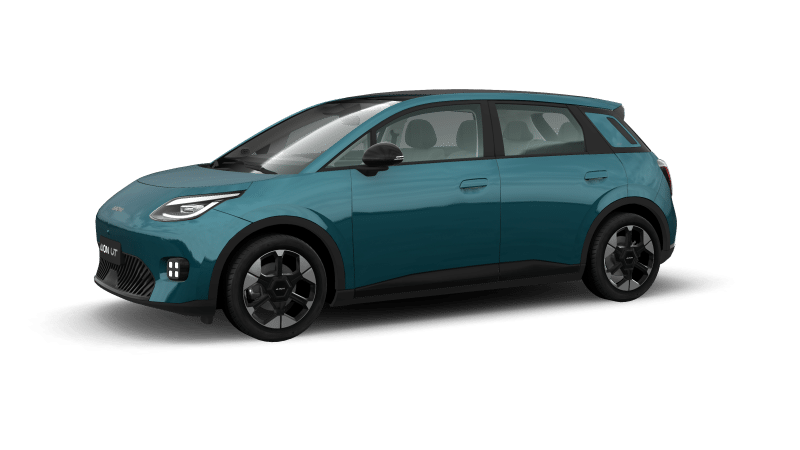
Family buyers evaluate cargo versatility, child-seat accommodation, and standard safety features. GAC vehicles present straightforward cabin layouts with flat load floors in several models and ISOFIX anchors properly placed. Safety suites on higher trims include multiple airbags and electronic stability control; verify which features are standard versus optional. Practical points for families: choose a trim that balances durable upholstery and an accessible service plan, and prefer slightly larger wheelbases for rear-legroom—small visual differences in exterior length can matter substantially for everyday comfort.
Long-distance travel: refinement, fuel stability, and reliability
Extended routes test a vehicle’s thermal management, cruise stability, and fatigue-reducing ergonomics. GAC’s turbocharged engines exhibit steady torque delivery suitable for highway overtakes; suspension settings on mid-range models reduce sustained vibration. For long-haul suitability, examine cooling-system capacity, recommended oil-change intervals, and spare-part logistics for remote service stops. Practical checklist for long runs: confirm spare tyre type, inspect seating lumbar support, and prefer models with predictable highway fuel consumption over extremely low urban test figures.
Alternatives and common purchasing mistakes
A comparative purchaser will typically weigh GAC against established compact and compact-crossover rivals. Alternatives from long-standing regional brands may offer broader dealer networks and proven resale history; however, GAC can match value with higher equipment levels at similar prices. Common mistakes: – assuming equivalent dealer support everywhere; – selecting top trim without verifying which safety features are standard; – undervaluing real-world fuel figures versus headline laboratory numbers. Verify warranty terms and request an on-road demonstration replicating your typical trip pattern before committing.
Practical recommendations and authorial experience
From my editorial and field-testing background assessing vehicles across South African roads, the decisive considerations are clarity on intended use and verification of service coverage for your area. For urban-heavy use prioritize compact suspension tuning and dealer proximity. For family needs prioritize interior space and fixed safety hardware. For long-distance work prioritize thermal and drivetrain robustness. When comparing models, compile a short list and test each under conditions that mirror your routine; small differences in seat support or trunk shape often determine long-term satisfaction.
Concluding synthesis
The comparative inspection shows that GAC offers coherent solutions across the three driving regimes when matched correctly to buyer priorities: choose urban-friendly trims for city agility, larger wheelbase variants for family comfort, and mechanically conservative configurations for long-distance reliability. Practical purchase decisions hinge on documented service access and verified equipment lists rather than marketing claims; the brand presence and model specification pages offered by GAC are a useful reference when aligning a specific model to these needs.