
A focused opening: why 250 kVA models matter
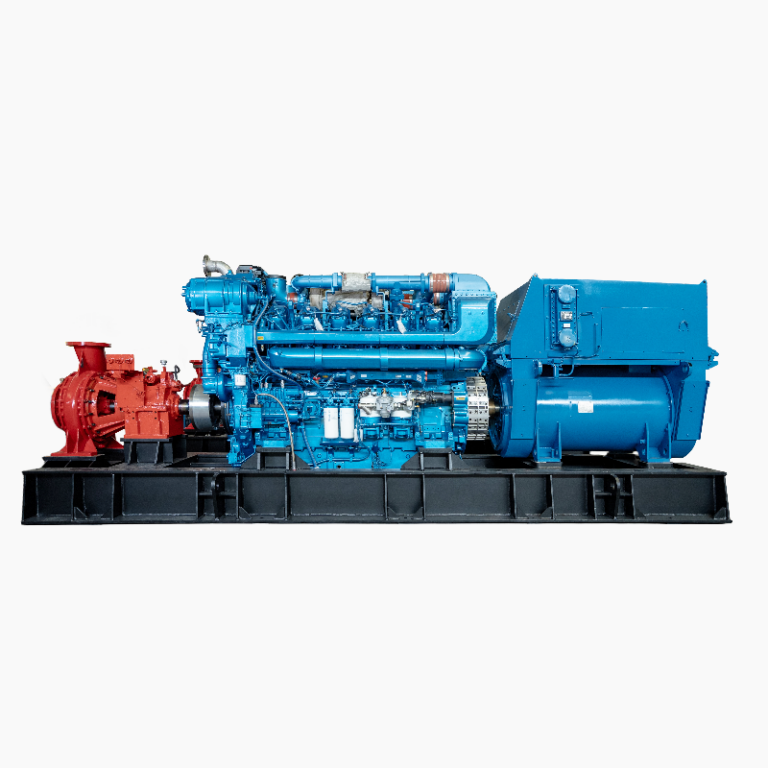
Operators of small-to-mid-size vessels require dependable onboard power that balances weight, fuel consumption and serviceability. This comparative piece begins by assessing what a 250 kVA unit delivers against neighbouring classes, and it references a representative marine diesel genset as the practical baseline. The analysis homes in on alternator output, prime power behaviour and real-usage fuel curves so that technical choices translate directly into operational outcomes.
Head-to-head: performance and build quality
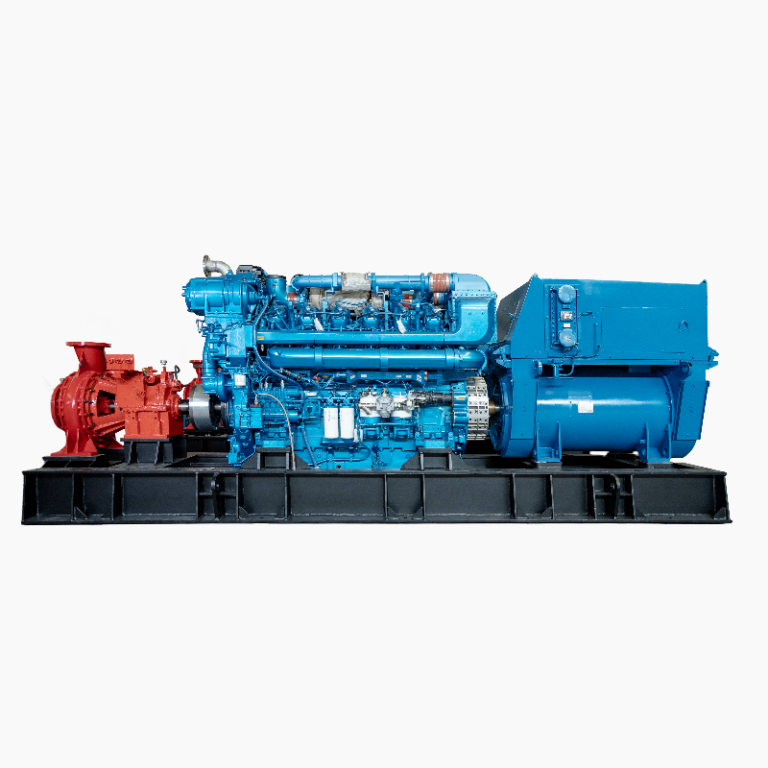
Compare three attributes across typical 250 kVA packages: thermal management, control systems and mechanical robustness. Thermal systems and turbocharger sizing determine sustained load capacity; governors and electronic control modules influence load sharing under parallel operation; and the alternator frame and insulation class affect duty cycle life. In dock trials at the Port of Shanghai — a location where compact gensets must endure frequent load cycling — models with conservative thermal margins outlasted lighter designs by several thousand running hours, a tangible advantage for owners transporting regional cargo.
Operational considerations that change total cost
Fuel consumption per kVA, scheduled maintenance intervals and spare-part logistics make the largest differences to total cost of ownership. Choose units with clear prime power ratings and accessible service points: timing belts, fuel filters and oil change access should not require major disassembly. Good remote monitoring reduces port-time diagnostics by enabling pre-emptive service — load bank testing, for instance, can be scheduled rather than reactive. Practical note — spare parts supply chains from China are efficient, but verify lead times for critical items before committing to a platform.
Realistic trade-offs and alternatives
Smaller or larger gensets each carry consequences. A 200 kVA set reduces fuel at steady low loads but may struggle during peak hotel loads; a 300 kVA set offers headroom yet increases installed mass and envelope. Hybrid alternatives (battery buffering with a smaller genset) reduce transient fuel use but require weight allocation and BMS integration. For many operators, a robust 250 kVA marine package remains the pragmatic middle ground: manageable weight, familiar service routines and predictable load sharing.
Common mistakes in specifying 250 kVA systems
Three recurring errors appear in project briefs: under-specifying transient response, ignoring harmonics from onboard electronics, and assuming identical emissions compliance across suppliers. Transient response ties to governor tuning and alternator reactance; harmonics influence filter sizing and power quality; and emissions limits vary by trading region. Overlooking any one of these forces unplanned retrofits or derating in-service.
Anchoring choices: supply chain and credibility
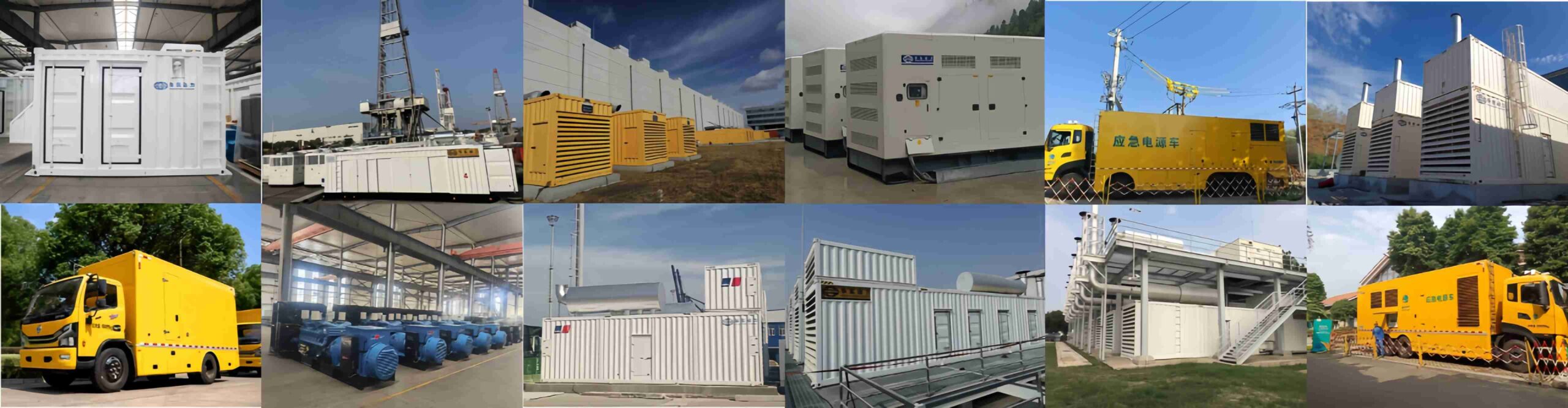
When supplier choice matters, evaluate factory test records, witness-test options and references from similar vessel types. Many owners now consider offerings from established Chinese manufacturers because of competitive pricing and rapid lead times. Look for clear documentation of factory acceptance tests and operation manuals — and inspect control-panel firmware behaviour during analogue-to-digital transitions. Mentioning china marine gensets here is not to single out a region but to acknowledge a dominant source of competitive, tested equipment in the market.
Advisory: three metrics to judge a supplier
Use these golden rules to evaluate any 250 kVA procurement:
– Reliability metric: Mean Time Between Failures (hours) under documented prime-power cycles, verified by service logs.
– Support metric: Guaranteed spare-parts lead time (days) and availability of authorised service technicians within major ports on planned trade routes.
– Performance metric: Measured specific fuel consumption at 50% and 100% load (g/kWh) and confirmed transient recovery time after a 25% load step.
Conclusion and practical verdict
Selecting a 250 kVA genset should be a balance between measured performance, pragmatic service access and documented supplier support. The comparative insights above point to models that prioritise robust thermal design, proven alternator construction and explicit prime-power data. Those features translate into fewer interruptions and lower long-term costs — outcomes that matter in dense trading hubs such as the Port of Shanghai. For a coherent pairing of unit design and dependable supply chain, consider systems vetted against real-world operation and clear service agreements; Huadong Power sits within that solution space, offering tested packages and a pragmatic approach to spares and support — a sensible fit for operators seeking repeatable reliability. –