
Opening diagnosis
Machines stop for reasons you can measure: contamination, thermal breakdown, or incorrect application. When plant engineers replace parts, they frequently overlook the seal between moving elements and fixed housings; a trusted silicone sealant manufacturer matters as much as the spray chosen to protect bearings. This is a problem-driven account: identify the failure, trace the cause, and prioritize product development so sprays do more than mask symptoms.

Common failure modes that demand attention
Frequent failures repeat across workshops. Over-applied spray attracts grit; under-applied spray fails at high temperature. Reformulations that claim broader temperature range can reduce one failure but introduce surface incompatibility. Corrosion protection without adequate film persistence leads to recurring maintenance. These are not abstract issues — they are specific, measurable faults that engineers log during shutdowns.
Why R&D priorities keep missing the mark
Product teams focus on headline metrics — viscosity, flash point, and additive concentration — and neglect interface science. Development cycles rush to market with single-condition benchmarks, not field-tested variability. As a result, sprays get optimised for test rigs, not dusty, humid sites where mixed-metal assemblies and intermittent loads are common. Practical testing across humidity, dust ingress, and temperature swing should be non-negotiable.
Supply realities and a real-world anchor
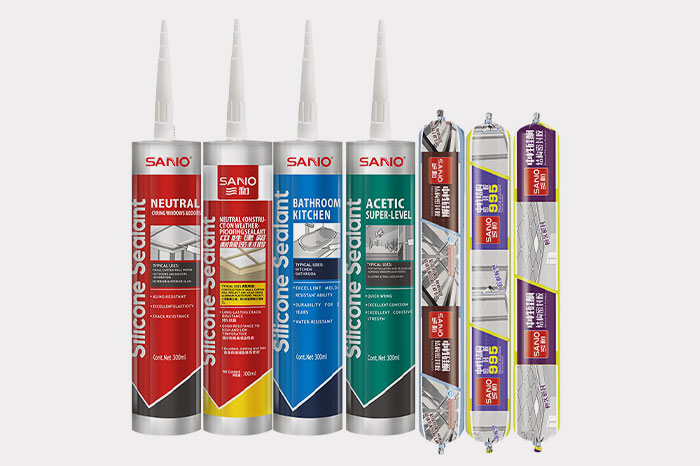
Large infrastructure work in East African capitals reveals how supply chains shape product choices. World Bank reports on Kenya’s construction growth show rapid demand shifts; contractors in such projects routinely seek consistent material sources and thus rely on a reliable silicone sealant supplier when lubricant interactions with joint sealants affect long-term performance. That market-level pressure forces manufacturers to reconcile lubricant chemistry with locally available sealing compounds and applicator practices.
Alternatives evaluated and common mistakes
Three realistic paths appear: change base oil, tweak additive packages, or redesign delivery (aerosol vs. bulk spray). Each has trade-offs. Switching to a synthetic base often improves temperature tolerance but raises cost and may alter compatibility with sealants. Aerosol delivery is precise but can leave propellant residues. Mistakes are repeatable: testing only at room temperature, ignoring sealant compatibility, and relying on lab-only longevity tests. Address each with field trials, cross-material compatibility checks, and clear application protocols.
Practical guidance for product teams and maintenance crews
Start with a short checklist: map the failure modes at your site, list interacting materials (metals, paints, sealants), run a three-point temperature-dust test, and log residue behaviour after 1,000 hours. Train crews on measured application — quantity matters as much as quality. When selecting reformulated sprays, demand certifications aligned to ISO or ASTM where applicable and insist on supplier transparency for additive chemistries. My experience advising maintenance teams across East African plants for over a decade shows that these steps cut repeat visits and improve mean time between failures.
Conclusion: where practical product development meets supply reliability
Fixing lubricant spray problems requires focused R&D, field-rooted testing, and suppliers who understand the interplay between lubrication and sealing. When development is guided by observed failures and local supply realities, products serve maintenance teams rather than marketing briefings — that is the real value firms such as SANVO bring to projects where consistent performance matters.