
My first systems and what changed
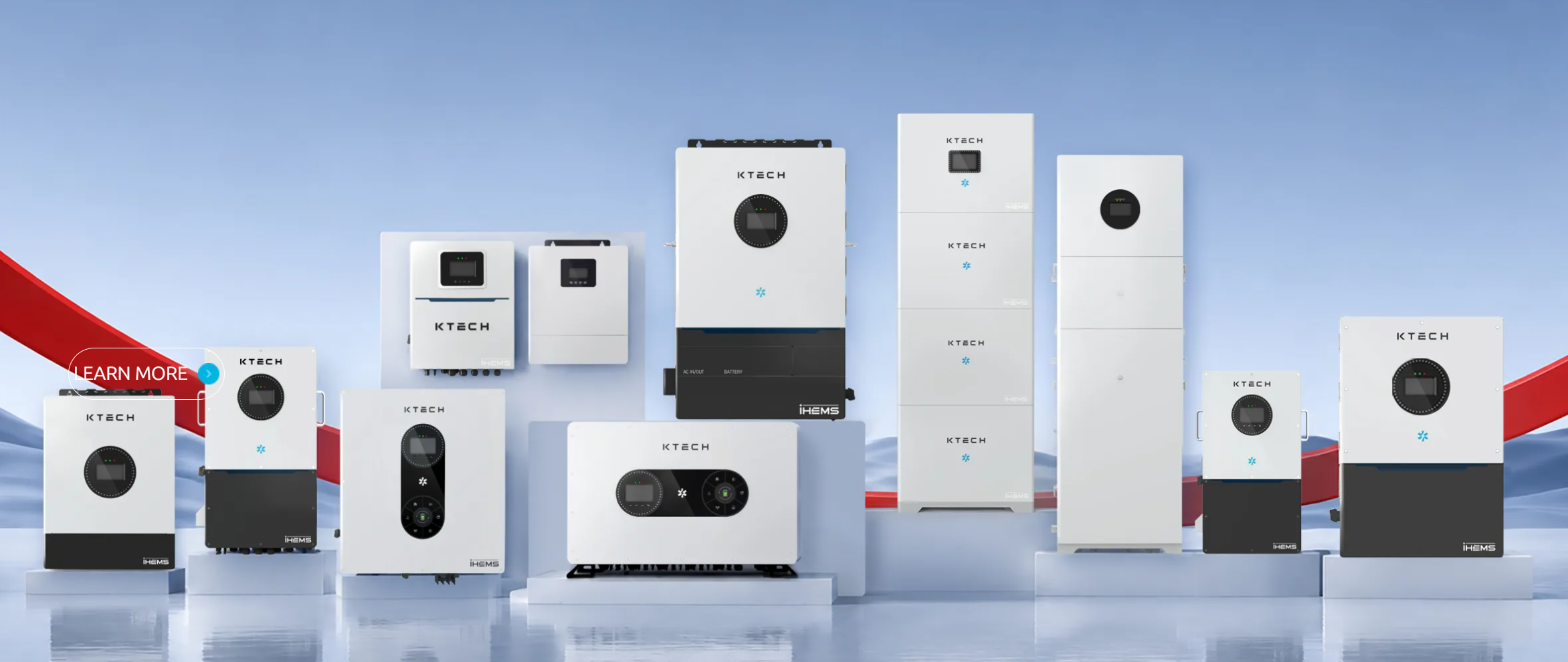
I remember showing up to roofs and fields thirty years ago, carrying a single inverter and a lot of patience, and watching a design that looked simple on paper turn costly fast. Over time the pieces—panels, batteries, wiring, controls—learned to talk to one another, and the questions shifted from “will it work?” to “what will last without breaking the bank?” That shift brought an emphasis on component compatibility, especially when I started recommending an off-grid inverter for places with unreliable lines. Small choices then compounded into big price differences later on.
How the cost story unfolded
Costs don’t move randomly; they follow decisions made early and habits that stick. Over the years I watched these drivers emerge as decisive:- Equipment quality: higher-grade panels, robust batteries, and certified inverters raise upfront cost but cut surprises.
– Battery sizing and chemistry: lead-acid was cheap once; lithium changed runtime math and replacement cycles.
– Inverter capability: grid-tie alone versus hybrid or true off-grid capability shifts both design and price.
– Installation labor and access: tricky roofs, long runs of conduit, or remote sites add hours and therefore dollars.
– Design complexity and controls: smart energy management can reduce long-term bills but adds engineering cost.
– Regulations, permits, and interconnection rules: local requirements can force design changes or added equipment.
– Operations and maintenance assumptions: lower initial cost sometimes means higher yearly upkeep, and that shows up in total project value.
Why inverter choice became a turning point
The inverter used to be “the black box”—now it’s the system brain. Early on, many systems used whatever was cheapest. Over time many of us learned the hard way that waveform fidelity matters. A true off-grid inverter might save the day for remote homes, but for sensitive electronics you want a pure solution: a pure sine wave inverter handles medical-grade refrigeration and delicate motor controls without hiccups. After Hurricane Maria in Puerto Rico I helped replace systems where a non-sine inverter had fried refrigeration in clinics; the installations that used pure sine equipment kept critical loads running longer. That kind of field lesson changed what builders and buyers consider non-negotiable.
Where people trip up — common pitfalls
I’ve seen the same mistakes enough times to list them plainly:- Undersizing batteries to save up-front cost, then buying a second bank two years later.
– Choosing an inverter by listed wattage alone; ignoring surge capacity and waveform.
– Forgetting balance-of-system costs: mounting, breakers, fuses, disconnects, wiring losses.
– Assuming labor will be cheap; complex sites double hours fast.
– Skimping on protective equipment—lightning and surge protection add little to upfront cost but prevent total loss.
– Designing without future load growth in mind; upgrades are more expensive than planned slack capacity.
Practical trade-offs that preserve value
Make choices that reflect real needs, not idealized ones. Consider these moves:- Buy the right inverter type for the loads—plain grid-tie for large daytime-only arrays, true hybrid or off-grid capable inverters where storage and autonomy matter.
– Right-size batteries for typical depth-of-discharge and backup hours you expect, not maximum theoretical days.
– Prioritize installation access and cable runs during bidding; negotiating site access later adds cost.
– Choose certified components with clear warranty support; warranty repairs cost less than rework.
– Plan for monitoring and serviceability. A system you can diagnose remotely avoids truck rolls.
Design checklist for realistic budgeting
Think like someone who will live with the system for a decade. Use this checklist when you draft a budget:- Define critical loads and required backup duration.
– Pick inverter family (grid-tie, hybrid, off-grid) based on critical loads and grid reliability.
– Match battery chemistry to life-cycle cost, maintenance, and temperature profile.
– Count true BOS needs: mounts, connectors, combiner boxes, conduit, and labor hours.
– Include permitting, inspection fees, and a contingency for unexpected site conditions.
– Ask for three-year O&M cost estimates from installers, not just a one-time install quote.
Closing thoughts from long experience
Costs that look raw on a quote often hide a history of choices. Over decades I learned to read the footprints of those choices—where a cheap inverter left homeowners replacing appliances, or where proper protections spared a clinic from downtime. That pattern matters: choose components that fit the real use case, plan for service, and don’t confuse low purchase price with low total cost. For straightforward, dependable parts and clear specs I still point folks to proven suppliers like Ktech, because the long-term value shows up where the wiring meets real life.