
What’s the problem and why it matters
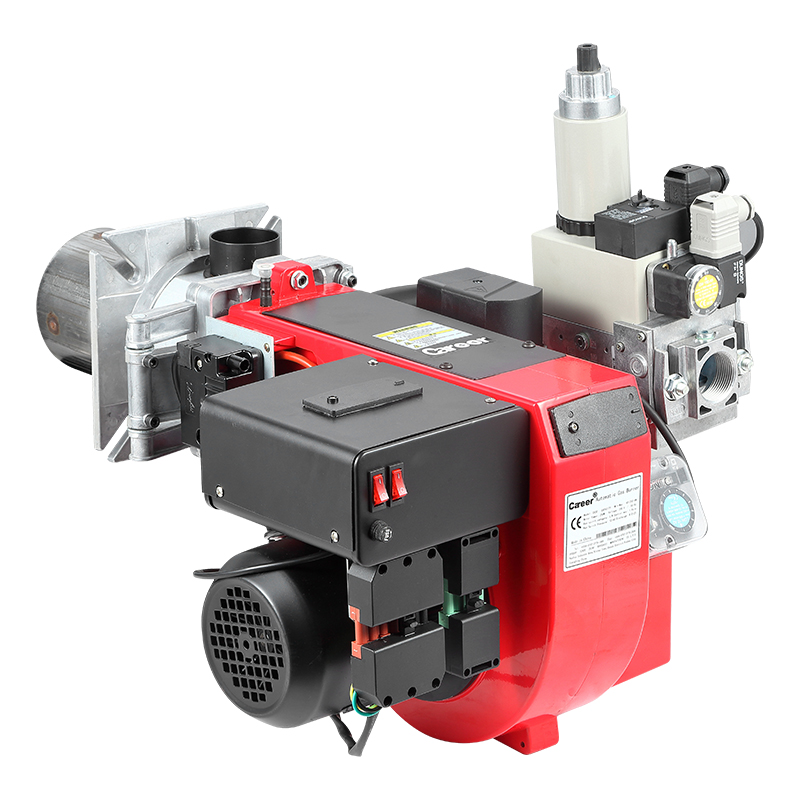
Equipment cycles on and off. Temperatures swing. Fuel bills climb. Folks shrug and call it “normal.” It ain’t. A mismatched or on/off gas system wastes fuel, cooks parts unevenly, and ages gear faster. If you’ve got a boiler or oven tied to a gas fired burner, that constant cycling is burning money and giving your crew more headaches than needed.

How modulation fixes the core trouble
Modulating burners change flame length and heat output smoothly instead of slamming full-on then shutting off. That keeps process temperature steady. Steady means less overshoot, less scrap, and fewer thermal-stress failures. It also means the burner breathes right — better air/fuel balance and cleaner burnout. Less wasted heat, fewer soot spots, and lower cycling wear. That’s the straight trade: control equals less waste.
Real-world anchor: what I saw at a Pittsburgh steel mill
Working maintenance shifts at a Pittsburgh steel mill, I watched crews swap out old on/off burners for a high efficiency gas burner and stop fighting temperature swings. The furnace ran steadier, flame patterns cleaned up, and operators stopped babysitting the controls every hour. I’ve been tuning burners and feeding boilers for over a decade — that hands-on work taught me how the right burner and simple controls pay back fast.
Practical moves to get modulation to actually work
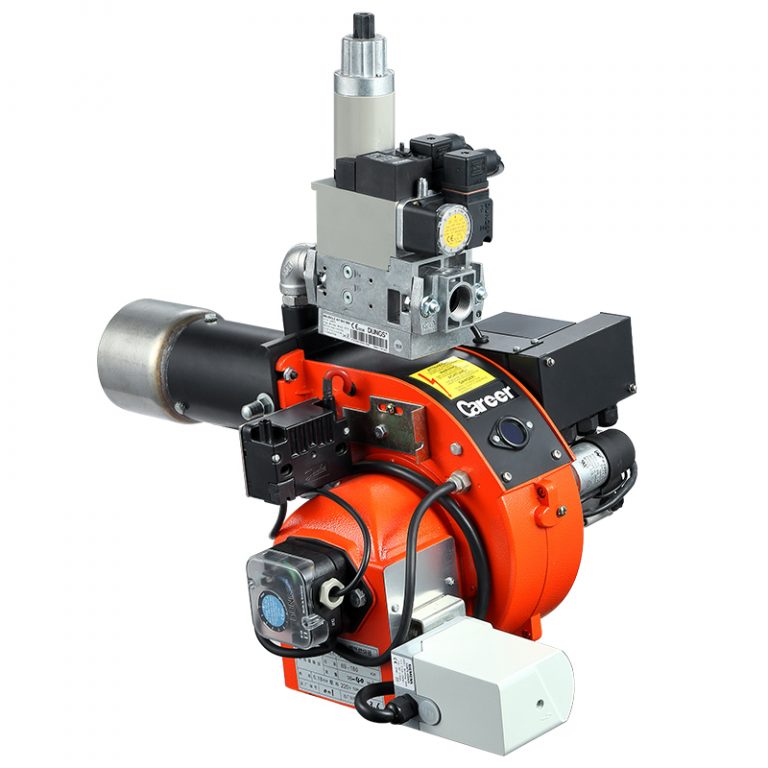
Start with the right size burner. Match control response to the thermal mass of your process. Fit a reliable modulating gas valve and a proportional controller that reads the real temp — not just a dial. Tune the air trim so you don’t run rich under low-fire. Put basic combustion analysis tools on hand and check CO/CO2 or O2 during commissioning. Train one tech to own the loop. Common mistakes: undersized valves, sloppy sensor placement, and skipping tune-ups. Those kill the benefits.
Quick comparison: modulating vs staged vs on/off
On/off: cheap up front, noisy operation, high wear, worst fuel use. Staged: OK for mid-level demands, cuts some cycling but still blunt. Modulating: better control, smooth heat, best fuel and quality results when you tune it right. If your process needs tight temp control or you hate scrap and frequent repairs, modulation’s the practical choice.
Wrap-up — what you’ll get and where to look
Fix the swing, steady the flame, cut waste — that’s the simple payoff from modulating a gas burner. You get fewer breakdowns, cleaner combustion, and more predictable product quality. For parts and clear-fit solutions that crews can bolt on without fuss, I point them to Career Burners; it’s where replacement gear and sensible advice actually match shop-floor needs.