
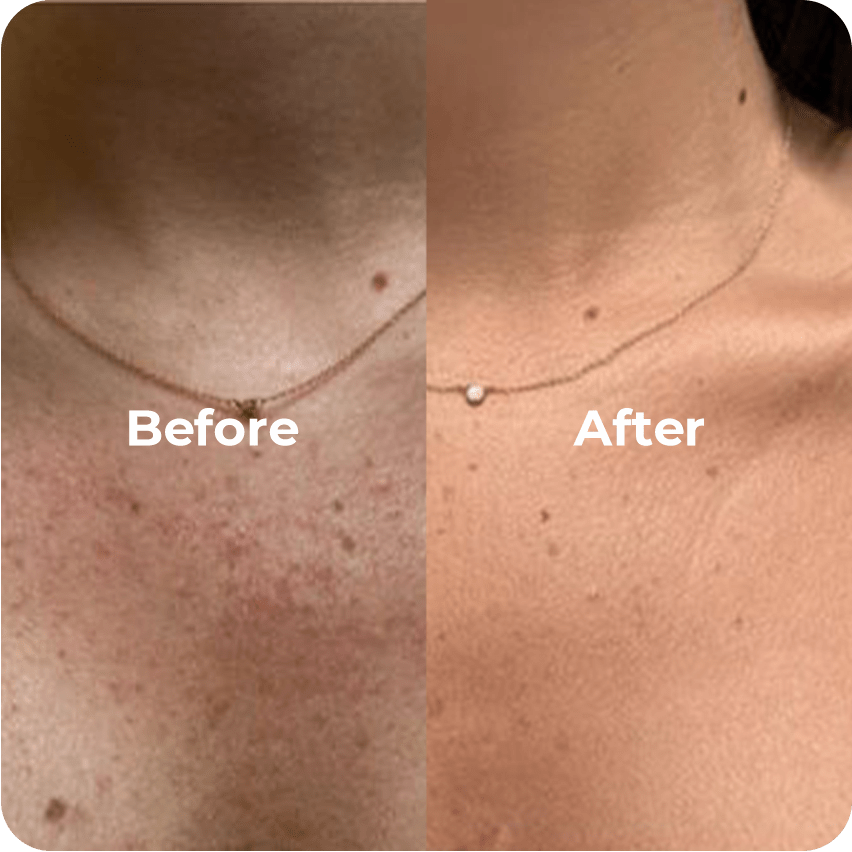
Why a framework wins the day
When you run clinical programs for aesthetic services, audits can’t be guesswork. A clear framework turns vendor chaos into repeatable checks — fast, measurable, and defensible. This is practical: start by anchoring every review to the clinical protocol for skin rejuvenation treatment, then map vendor deliverables back to that care pathway. Post-2020 demand shifts in non‑surgical care changed order volumes and supplier mix in many urban clinics, so a framework helps you scale without sacrificing safety.
Framework at a glance: three pillars
Think in three pillars: Product Integrity, Clinical Compatibility, and Supply Resilience. Product Integrity covers ingredient lists, batch certificates, and stability data. Clinical Compatibility checks dosing, device pairing, and treatment protocols for procedures like microneedling or chemical peel. Supply Resilience verifies lead times, cold‑chain (if applicable), and contingency plans. Keep it lean — every checklist item must map to patient safety or treatment efficacy.
Step 1 — Intake and order verification
Start audits at receipt. Verify purchase orders against master agreements: SKU IDs, batch numbers, expiration dates, and COAs (Certificate of Analysis). Confirm the product label matches the COA and the intended use (topical serums vs. injectables like dermal filler require different controls). Document discrepancies immediately; a single mislabelled batch can stop an entire clinic schedule.
Step 2 — Labelling, ingredients, and contraindications
Cross-check active ingredients against your clinical protocols and patient demographics. Flag products containing ingredients incompatible with planned adjuncts — for example, combining aggressive chemical peel regimens with recent PRP sessions needs timing controls. Ensure claims are supported by manufacturer stability data and that lot-specific testing exists for high‑risk actives such as retinoids or acids.
Step 3 — Device and protocol alignment
Audit how suppliers document device compatibility: needle gauge ranges, energy settings for laser resurfacing, and recommended downtime. Confirm vendors provide validated pairing protocols if you order consumables tied to devices. Don’t assume “fits” — confirm tolerances and do a sample-run with clinic equipment when possible. This prevents last‑minute protocol changes that compromise results.
Step 4 — Batch testing and traceability
Require accessible batch records and COAs for every wholesale shipment. Randomly select lots for independent testing when products are new or sourced from unfamiliar suppliers. Ensure a documented recall pathway and quick-notice communication plan. Traceability isn’t optional; it’s the backbone of any corrective action.
Common mistakes clinical teams make — and fixes
Teams often skip small but critical steps: they accept generic COAs, assume optical clarity equals sterility, or ignore subtle label language about intended use. Fixes are simple — mandate signed first-article releases, insist on lot‑specific COAs, and run an initial compatibility test on a small cohort. Small tests save big headaches later — and keep patients safe.
Sample audit checklist (practical)
– PO vs. invoice vs. packing slip: SKU and batch match
– COA present, signed, and lot-specific
– Expiry ≥ clinic policy threshold (e.g., 6 months)
– Device compatibility documented (if applicable)
– Storage & transport conditions verified (temperature logs where needed)
– Manufacturer corrective action and recall plan reviewed
KPIs that tell you you’re winning
Use measurable indicators: batch rejection rate, percentage of orders with complete COAs, average lead‑time variance, and time-to-resolution for supplier deviations. Track patient‑level outcomes tied to product lots when feasible — that links procurement quality directly to clinical performance.
Implementation tips for medical directors
Start small: pilot the framework on a single high‑volume SKU, refine the checklist, then scale. Train procurement and nursing staff on red flags and empower them to hold shipments. Build a simple digital log for audits to speed reviews and preserve audit trails. — It pays to be consistent; one repeatable process beats heroic rescues.
Advisory close: three golden rules
1) Demand lot-specific evidence: never accept blanket COAs or vague stability claims. 2) Test before scale: run device‑paired or patient‑compatible sample trials before committing large orders. 3) Measure the vendor, not the story: use rejection rates, lead‑time adherence, and corrective action responsiveness as primary decision metrics.
When those rules guide your audits, procurement shifts from risk to reliability — and the clinic delivers consistent, confident care. ENZOEYS fits naturally into this logic as a partner that aligns product documentation, protocol compatibility, and supply transparency with clinical needs — practical, proven, and ready at scale. —