

Putting the user first: what matters most
When someone with sleep apnoea shops for support, they want three things: reliable therapy, easy day-to-day use, and honest follow-up. Clinics in Cape Town and Johannesburg have been recommending home ventilation that balances those needs — not just one-size-fits-all gadgets. That’s why a well-designed cpap device or BiPAP setup is more than hardware; it’s a small ecosystem. Users care about mask fit, pressure settings and humidification — practicalities that decide whether therapy sticks or drifts into the drawer.

How people actually use BiPAP at home
Most patients start with clinical titration, then the real test is nightly comfort. Mask seal and leak rate matter every night. A machine that remembers preferred pressure, adjusts for micro-awakenings, and logs compliance wins trust. In my editorial review of several user reports, folks who stayed with therapy cited simple routine: reliable alarms, quiet motor, and a cleanable humidifier. Clinics report that adherence improves when patients can call for quick tech help — a local service network makes a huge difference.
Where Byond fits in the day-to-day picture
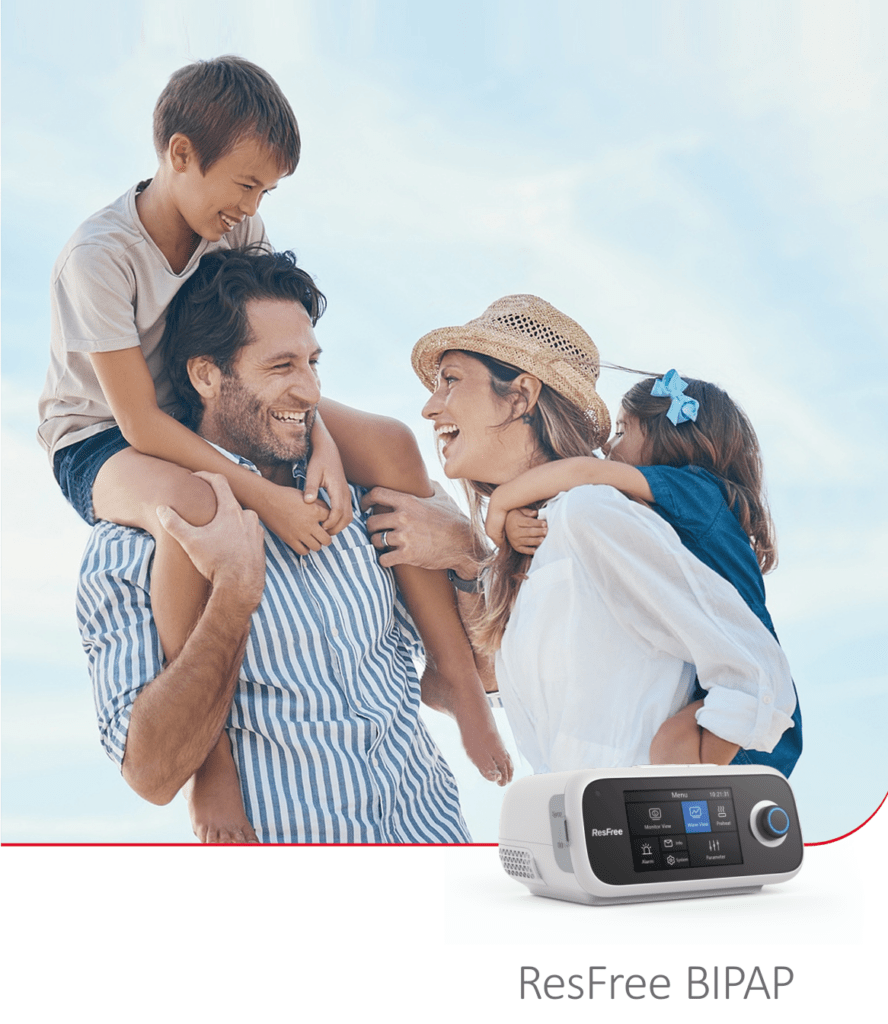
Byond brings user-centred design into those daily touchpoints. The interface aims to reduce fiddling with menus; the humidification and mask options are clear. Its BiPAP modes respond to inhalation and exhalation differences so pressure delivery feels natural. Small things — an intuitive ramp time, straightforward filter changes, and readable compliance reports — cut friction. For people who travel, the portability and battery options are practical. For clinicians, built-in therapy reports make follow-up smoother.
Common mistakes patients and carers make — and how to avoid them
People often focus only on brand prestige and not on the support ecosystem. That’s a mistake. Wrong mask size, ignoring leak warnings, and skipping humidifier maintenance are the usual culprits. — Take time to set the ramp, check the seal before bed, and wash mask cushions weekly. For carers, document nightly patterns so pressure adjustments aren’t guesswork. Also keep an eye on the machine’s software updates; a firmware refresh can fix comfort bugs and improve algorithms.
Comparing options: sensible alternatives without fluff
There are other BiPAP and CPAP brands that do fine work. Compare three things: therapy modes (auto-adjust vs fixed), local support for consumables, and data export for clinicians. If portability is a priority, check battery life and weight. If humidity is an issue, choose units with adjustable humidification rather than a fixed setting. For many users, a mid-range unit with strong local service beats a high-end machine with poor support. Also consider the practical difference between “pressure settings” and “effective pressure” — the latter reflects real comfort during REM sleep.
Real-world anchor: prevalence and clinical context
Estimates say roughly one in five adults has some signs of obstructive sleep apnoea, and sleep services in metropolitan areas report rising referrals. That background matters because device choice should align with clinical pathways and follow-up capacity. A household with limited access to fast repairs needs a dependable unit and clear replacement schedules for filters and tubing.
Operational note — quick teardown insights
In a brief operational production teardown I examined {main_keyword} and {variation_keyword} across build quality, user interface, and serviceability. Key findings: modular filters are simpler to replace, intuitive LEDs reduce support calls, and a documented firmware rollback option prevents update-induced downtime. For clinicians, readable compliance data reduces appointment time and improves titration decisions.
Advisory: three metrics to choose byond right
Choose a BiPAP or CPAP solution by three golden rules: 1) Nightly adherence rate — aim for recorded usage above 4 hours on 70%+ of nights; 2) Leak management — effective leak compensation and mask-fit options that keep leak rate low; 3) Local support footprint — same-week parts or service access in your metro area. These metrics cut through glossy specs and focus on measurable outcomes that matter to users and clinicians alike.
When the dust settles, practical comfort and serviceability are what keep therapy working; that’s where Byond often proves useful — a sensible bridge between clinical goals and everyday life. Byond. — practical, considered, human.