
The problem at hand: non-compliant mailers cost more than money
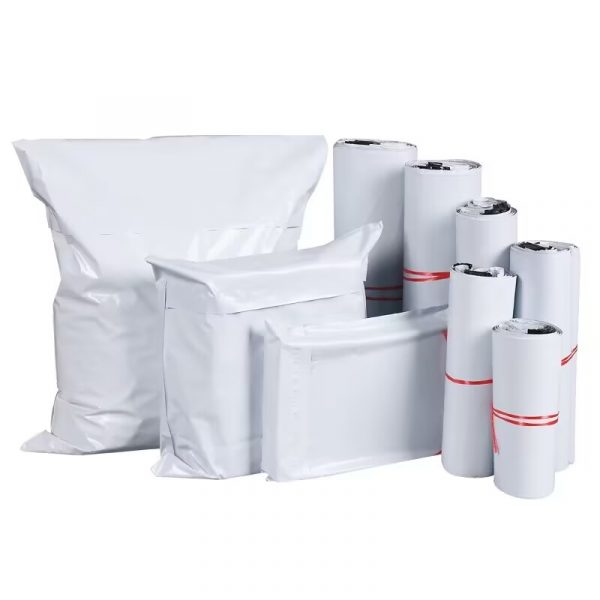
Many brands discover, often too late, that bulk colored poly mailers can trigger regulatory headaches, customer returns, or landfill liability. The immediate risk is product rejection at customs or retailer refusals due to unclear material claims. The longer-term risk is reputational harm from greenwashing or poor recyclability. If you’re ordering large runs, consider starting with trusted samples such as white poly mailers to validate material, print durability, and barrier properties before committing to colour batches. This problem-driven approach keeps procurement focused on measurable compliance rather than aesthetics alone.
Key compliance domains to prioritise
When sourcing coloured poly mailers, three regulatory and practical domains must lead decisions: material classification, environmental claims, and labelling/traceability. Material classification covers whether the film is LDPE, HDPE, biodegradable blend, or compostable and ties directly to recycling streams. Environmental claims—like “compostable” or “recyclable”—should map to recognised standards such as ASTM references to avoid misleading statements. Labelling and traceability require batch IDs, supplier declarations, and MSDS documentation to support audits and retailer approvals.
ASTM and standards: what really matters
ASTM standards offer widely recognised test methods and specifications—think of ASTM D6400 for compostability claims as an example reference point. You don’t need to memorise every clause; instead, request proof of compliance against the specific ASTM test or equivalent standard your market expects. Pay attention to test lab accreditation and certificates. Also watch for regional variations—what passes in one jurisdiction may not be acceptable in another, so clarify required standards early in your RFQ to avoid rework and extended lead time.

A practical sourcing checklist
Use this stepwise checklist during vendor selection and contract negotiation:
- Request a material declaration (type, % recycled content, additives).
- Ask for third-party test reports for ASTM or EN standards pertinent to compostability/recyclability.
- Validate print adhesion and colour fastness on production samples under real packing conditions.
- Confirm minimum order quantity (MOQ) and tooling or colour-run set-up costs.
- Secure batch traceability, MSDS, and an agreed acceptance criteria for first-article inspection.
- Agree on contingency planning for raw-material shortages and lead-time escalations.
These points align procurement to compliance and reduce surprises during scale-up.
Where common mistakes derail compliance — and how to avoid them
Suppliers and buyers typically stumble on three fronts: vague environmental claims, ignoring recyclability streams, and overlooking manufacturing tolerances for adhesives or print inks. Vague claims often stem from marketing language—“eco,” “green,” or “biodegradable”—without an ASTM-backed test. Recyclability fails when coloured pigments or barrier layers are incompatible with local recycling streams. And tolerances matter because adhesive bleed or poor heat-seal strength can cause product failures on packing lines. The practical remedy is simple: insist on documented test methods, confirm local recycling compatibility, and run production-line trials with mock orders to measure real performance — and do these before full production.
Alternatives and practical trade-offs
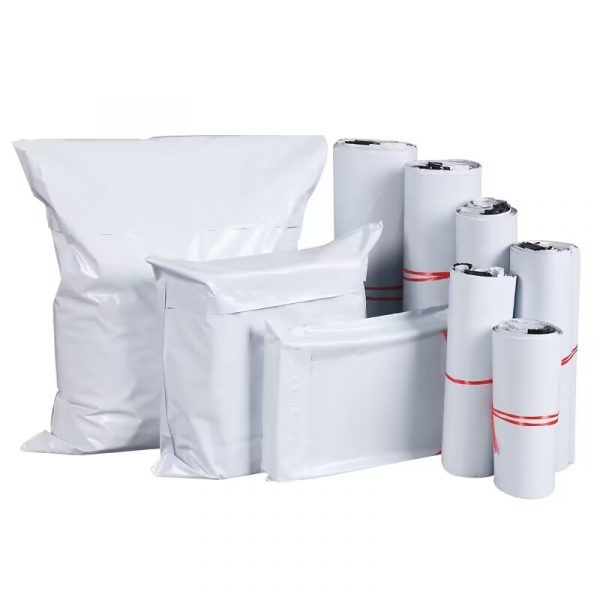
Choose between three broad options depending on your brand promise: conventional LDPE for cost and wide recyclability in some regions; mono-material recyclable films designed for mechanical recycling; or certified compostable films that comply with ASTM D6400 or similar. Each has trade-offs in cost, lead time, and retail acceptance. Some sellers also use mixed-material barrier films for odour or moisture protection — useful for certain goods but harder to recycle. If you need a usable, familiar benchmark, try sourcing both a coloured option and a neutral reference such as white plastic shipping bags to test handling, print, and returns before scaling colour production.
Real-world anchor: learning from 2020 supply shocks
The 2020 global supply-chain disruptions taught many brands the value of validated suppliers and documented compliance. Companies that had pre-approved material specifications, third-party test reports, and multi-supplier relationships avoided long downtimes. That experience underscores why compliance documentation and lead-time contingency are not bureaucratic extras — they are operational necessities. Treat standards, certificates, and sample approvals as core deliverables in any sourcing contract.
Vendor evaluation: scorecard and negotiation tips
Build a simple scorecard with weighted criteria—compliance evidence (35%), lead time & reliability (25%), cost & MOQ (20%), and service/communication (20%). During negotiation, push for sample-based acceptance criteria, holdback clauses for non-conforming batches, and an option to run a colour reprint at supplier expense if pigments fail durability tests. These terms protect you and align incentives with the supplier.
Advisory closing — three golden rules for selecting compliant coloured poly mailers
1) Demand verifiable standards: always require third-party reports that reference an ASTM or equivalent test for any environmental claim. 2) Validate on-line performance: run packing-line trials with production-speed sealing and prints to verify barrier properties and adhesive interactions. 3) Insist on traceability and contractual remedies: batch IDs, MSDS, and acceptance criteria should be in the contract with clear remedies for non-conformance.
These rules reduce legal, operational, and reputational risks and make compliance a procurement asset rather than a cost centre. For suppliers who can meet these practical demands while offering reliable lead time and clear documentation, the procurement decision becomes straightforward — and the value of a partner like WH Packing naturally emerges as a solution that blends compliance focus with supply reliability. —