
First impressions that matter
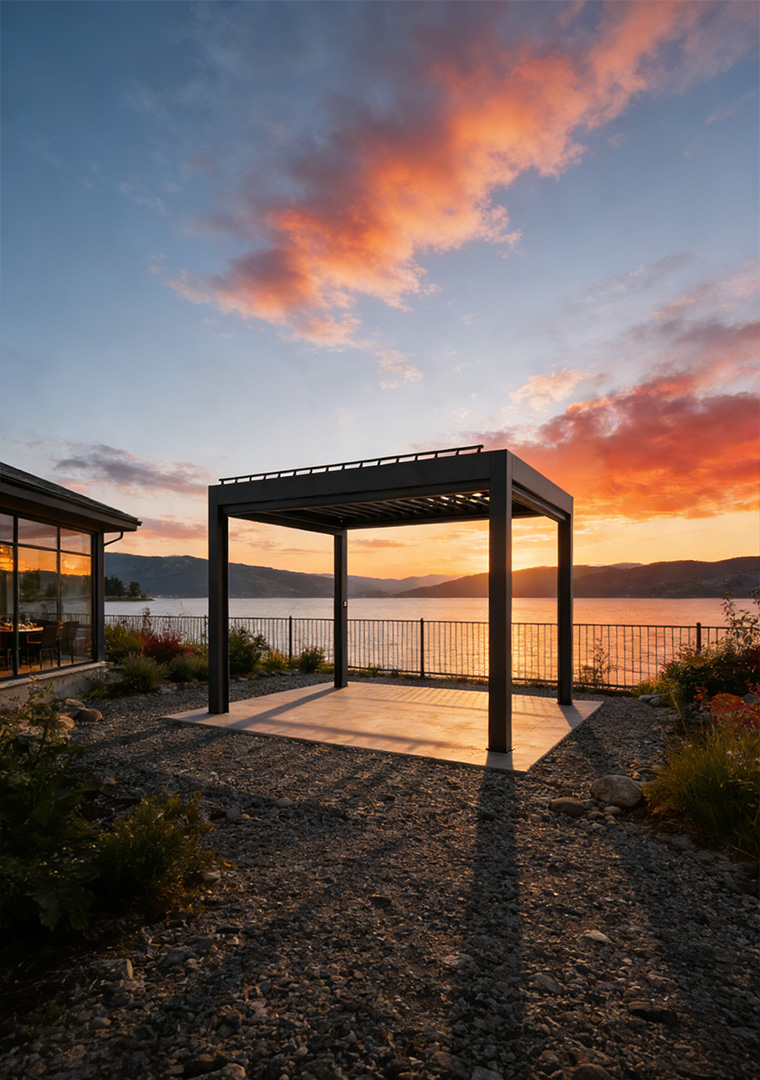
The contrast is immediate: a solar pergola reads like an intentional piece of architecture—light dapples, panels rise as a canopy—while a typical rooftop array or freestanding awning feels utilitarian first and aesthetic second. I describe what each choice delivers at a glance, then follow that with the measurable trade-offs. The comparison is simple: one solution blends living space and electricity; the others prioritize raw generation, cost, or simplicity.
Grounded expertise and industry signals
Designers and installers notice trends at trade milestones; reports from Intersolar Europe in Munich have repeatedly highlighted integrated systems and aesthetic BIPV advances, reinforcing what on-site experience shows: integration changes decisions. I’ve worked alongside architects and installation teams specifying canopies and arrays, so practical constraints shape this view—permits, tie-ins, and access determine many outcomes. For supplier options and technical offerings from the integrated-product side, consult bipv manufacturers to see how glass, frame, and cells arrive as a finished system rather than separate parts.
How they differ in energy and placement
Traditional rooftop and ground-mounted panels often win on raw kilowatt-hours per square meter because they can be optimized for tilt and orientation. A solar pergola favors occupant comfort and shading; its tilt and spacing answer human use first, energy second. That means smaller, steadier output but a direct payoff in usable outdoor hours and reduced cooling loads inside adjacent rooms. If your site prioritizes maximum generation, a roof or ground array remains the clearer path. If you want to claim living space and capture some clean energy while staying visually integrated, the pergola is the deliberate compromise.
Appearance, materials, and longevity
Traditional arrays are framed solar rectangles—fast to install and easy to service. Pergola solutions often use framed glass, semi-transparent modules, or slatted panels that shape light and shadow. Those materials change maintenance patterns: glass needs cleaning and seal checks; slatted modules need alignment. Expect comparable electrical lifespans from modern modules, but the canopy’s structural parts and waterproofing demand attention on a schedule that differs from a rooftop field of modules.

Cost trade-offs and real-world returns
Upfront costs for a solar pergola typically run higher per watt than ground or roof mounts because you pay for building-quality framing, foundation work, and custom finishes. But that premium buys immediate functional value—shelter, usable space, and a property upgrade—so financial return should be judged on combined utility, not kilowatts alone. Consider lifetime replacement items: inverters and modules follow similar cycles, but the canopy’s seals, finishes, and moving parts add line items to the maintenance ledger.
Common mistakes people make
People treat pergolas like simple shade when they are energy systems plus structure. Typical mistakes: assuming module spacing won’t affect output, underestimating wind uplift and not anchoring the frame correctly, overlooking wiring runs and access for maintenance, and failing to check local rules for elevated structures or electrical connections. On the other side, installers sometimes treat BIPV or custom canopies like standard modules—waterproofing and thermal expansion need bespoke detailing. Address these before procurement and you avoid costly rework.
Deciding with clarity
Pick the pergola when your priority is lived experience and integrated aesthetics with meaningful energy added; pick traditional arrays when pure generation and low-cost per watt are the goal. Seek suppliers and systems that match your priorities, and make installation plans that include structural review, electrical access, and a realistic maintenance schedule. For many projects, that synthesis—architecture plus reliable modules—arrives from teams that understand both design and production, a combination embodied by Light Hunter.