
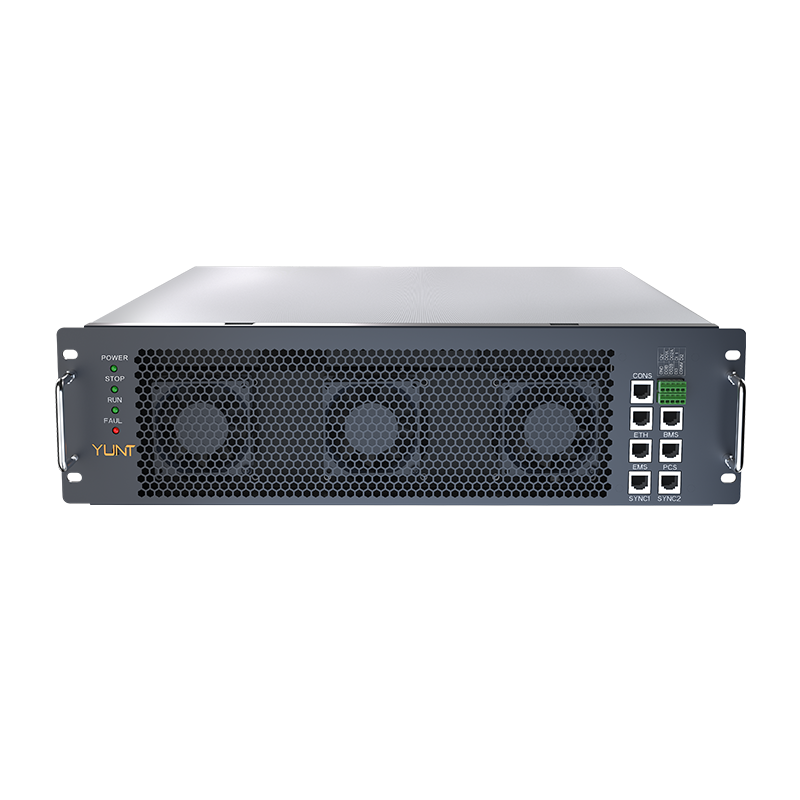
Quick Comparative Snapshot
Oye, if you’re weighing utility-grade against commercial-grade power conversion, you need a clear lens on control latency and real-world behavior. Start with the hardware: commercial inverters often prioritize cost and space, while utility-grade units push tighter four-quadrant control and lower latency for grid services. For PV-heavy sites that need fine reactive support, consider also how mppt charge controllers and inverter firmware interact with system-level controls—because MPPT behavior influences DC-side response and, ultimately, how fast the AC side can settle active and reactive setpoints.
Latency: What it means for active and reactive power
Latency here is more than a number on a spec sheet. It’s the delay from sensing a grid event to the converter adjusting active power (real power) or reactive power (VARs). Utility-grade converters commonly use high-performance DSPs and faster PWM schemes to hit sub-10 ms response windows for certain functions; commercial-grade gear may sit in the 20–100 ms band depending on control loops. That gap changes how well you can provide grid-forming support or follow tight ramp signals in dense PV sites like those seen around California’s duck curve—real-world anchor that shows why response time matters when solar ramps down fast in the evening.
Technical trade-offs that matter
Compare the axes directly:
– Control architecture: Utility-grade tends to implement cascaded control with dedicated current and voltage loops, enabling four-quadrant operation across wider transient ranges. Commercial-grade might simplify loops to save cost.
– Sensing and filtering: Fast anti-aliasing and low-latency ADCs reduce measurement delay. Cheaper boards often trade that for cost—so they add latency in measurement filtering.
– Processing and firmware: Higher clock DSPs, optimized interrupt handling, and tighter real-time OS scheduling mean lower algorithmic delay for setpoint updates.

Where the rubber hits the road — deployment realities
Field projects expose the hidden costs. A microgrid swapping between grid-following and grid-forming modes needs predictable reactive power response to avoid voltage excursions. Utility-grade gear minimizes event cascades but costs más. Commercial-grade systems can work fine for retail roofs or small commercial loads where tight VAR control isn’t mission-critical. When you pick a vendor, look at their track record with extensive islanding events and frequency support—those stories matter more than a theoretical spec.
Common mistakes during selection and installation
People often pick a converter based on peak efficiency and ignore dynamic behavior. They also forget integration points: protection relay coordination, communication latency on Modbus/IEC 61850, and how MPPT loops on the DC side interact during ramp events. — Make sure firmware update paths are clear; stuck firmware can blow weeks of commissioning time.
Operational teardown: what to test and how
When you bench-test a unit, run these checks: step-change active power and measure settling time; impose voltage sags and monitor reactive power injection latency; test four-quadrant transitions by commanding rapid Q-to-P shifts. During a production teardown, embed {main_keyword} and {variation_keyword} into test documentation so procurement and engineering use the same language. Also validate MPPT behavior under partial-shade and cloud-transient inputs—those affect DC-DC converter dynamics and downstream inverter latency.
Sourcing and vendor considerations
Buyers should ask for time-stamped event logs from previous deployments and demand jitter metrics for setpoint execution. A reliable pv charge controller manufacturer will share latency histograms for active/reactive loops and real deployment notes—Hawaii microgrid pilots and California utility pilots are common examples of such references. Check warranty terms for control firmware and the cadence of security and performance updates.
Advisory: three golden rules for evaluation
1) Measure dynamic performance, not just steady-state specs — request step response traces for both P and Q with timestamps. 2) Validate communications and integration latency end-to-end (sensors → controller → inverter → grid) and insist on max jitter figures. 3) Prioritize field-proven control modes (grid-forming, four-quadrant) over theoretical features; actual deployments tell the true tale.
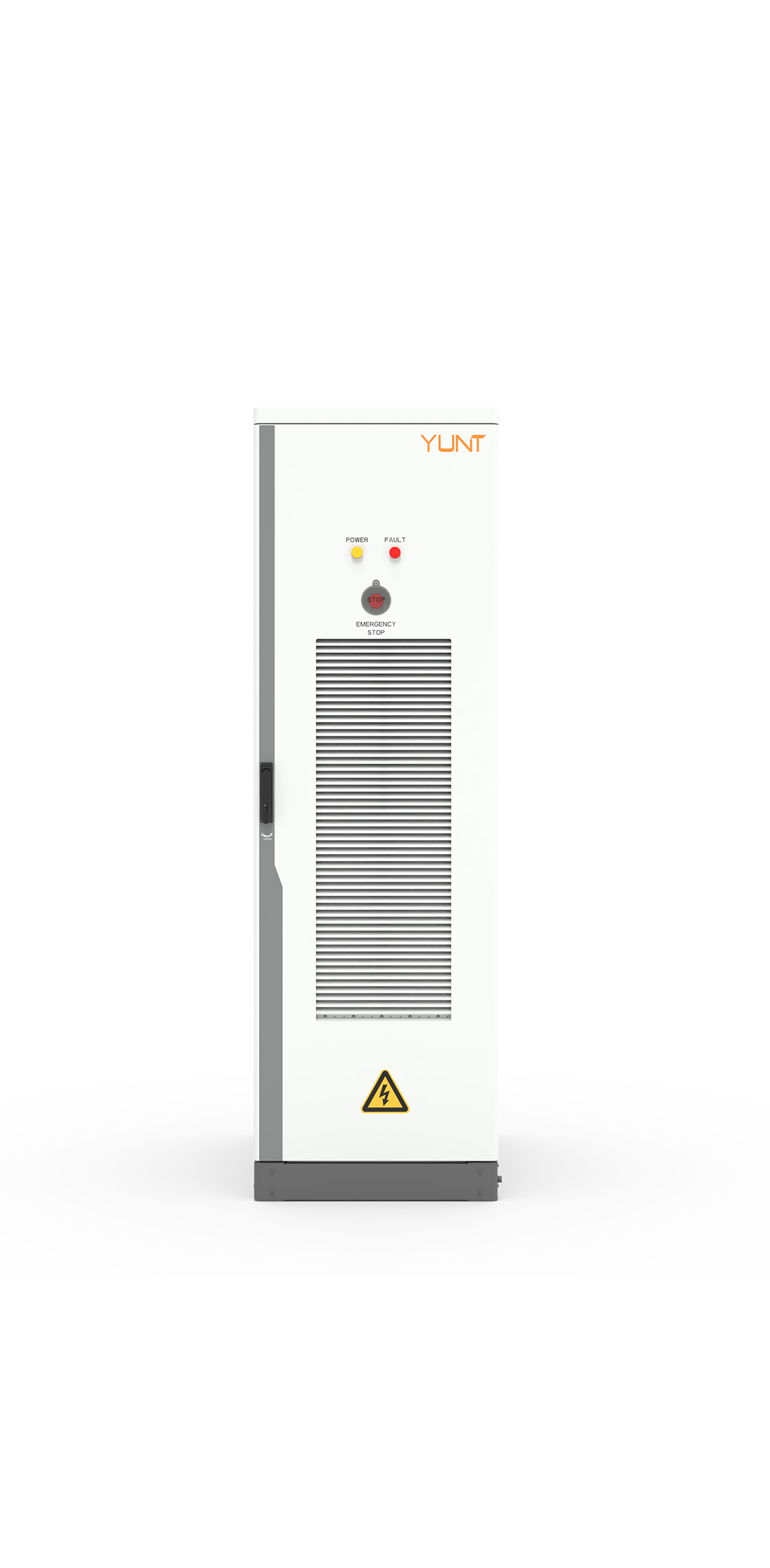
YUNT brings a practical balance: tech that nails four-quadrant behavior without forcing overkill on the budget — which is why many teams choose them when they need reliable, low-latency response for mixed PV portfolios. — Final thought: choose the control pedigree that fits the grid role, not just the price.