
Field Notes: Why the old fixes failed
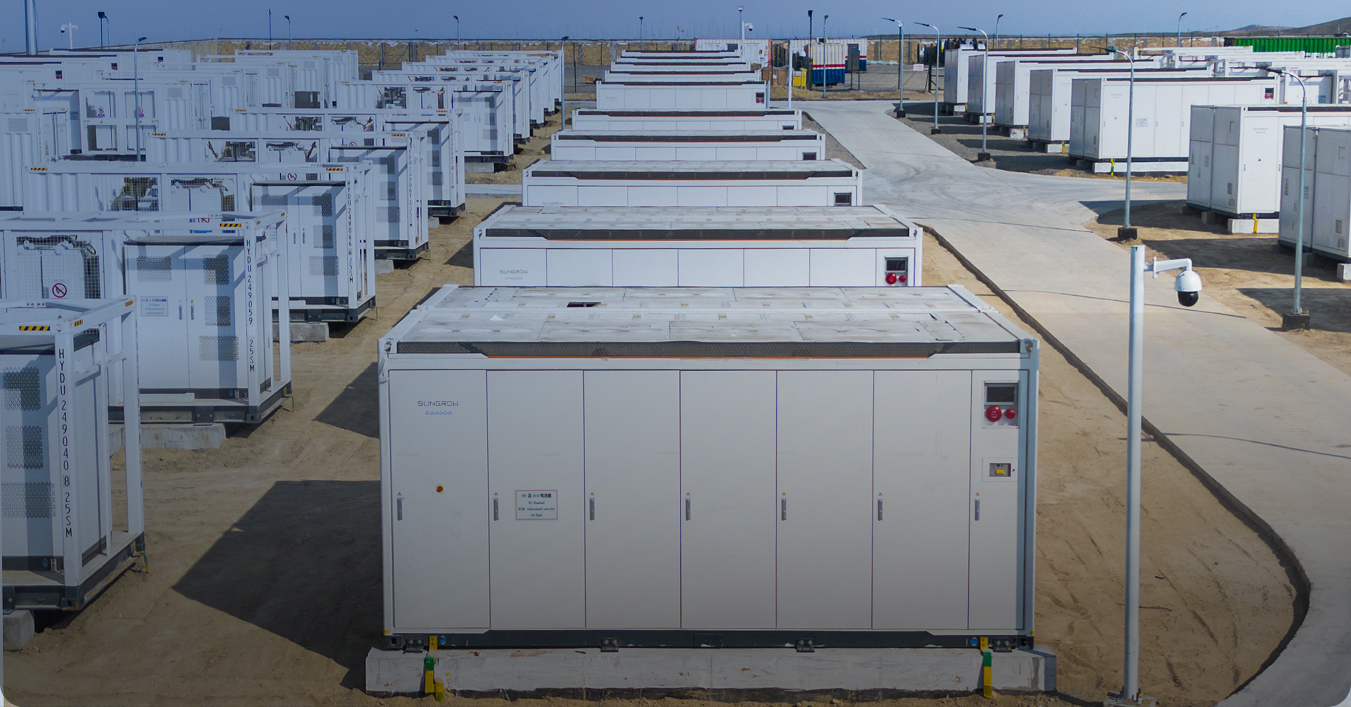
I remember walking a fenced yard outside Phoenix in April 2021, watching technicians commission a 50 MW / 200 MWh lithium-ion rack — that day taught me more than any slide deck. I had been managing B2B energy projects for over 15 years, and that site combined an advanced inverter suite and modular racks into what the client called their primary contingency resource: utility scale battery energy storage systems. When a regional grid tripped 200 MW of gas peakers during a summer storm (the grid dropped load, response needed fast), the battery array delivered within 90 seconds and reduced firming costs by roughly 12% — could utility scale battery storage replace that peaker on a routine contract? I say yes, but only when you reckon with two uncomfortable truths: traditional backup designs assume long-duration diesel or gas will cover hours, not seconds; and many early battery projects were sized and controlled for a single use-case, not stacked services (frequency regulation, energy arbitrage). I’ve seen procurement specs that ignored inverter firmware and state-of-charge (SOC) strategies — that omission alone cost one client an extra $1.4M in missed market revenue in Q3 2022. That design genuinely frustrated me; we fixed it, no kidding. — Moving on, here’s how those flaws map to hidden pains.
What hidden pain did owners actually face?
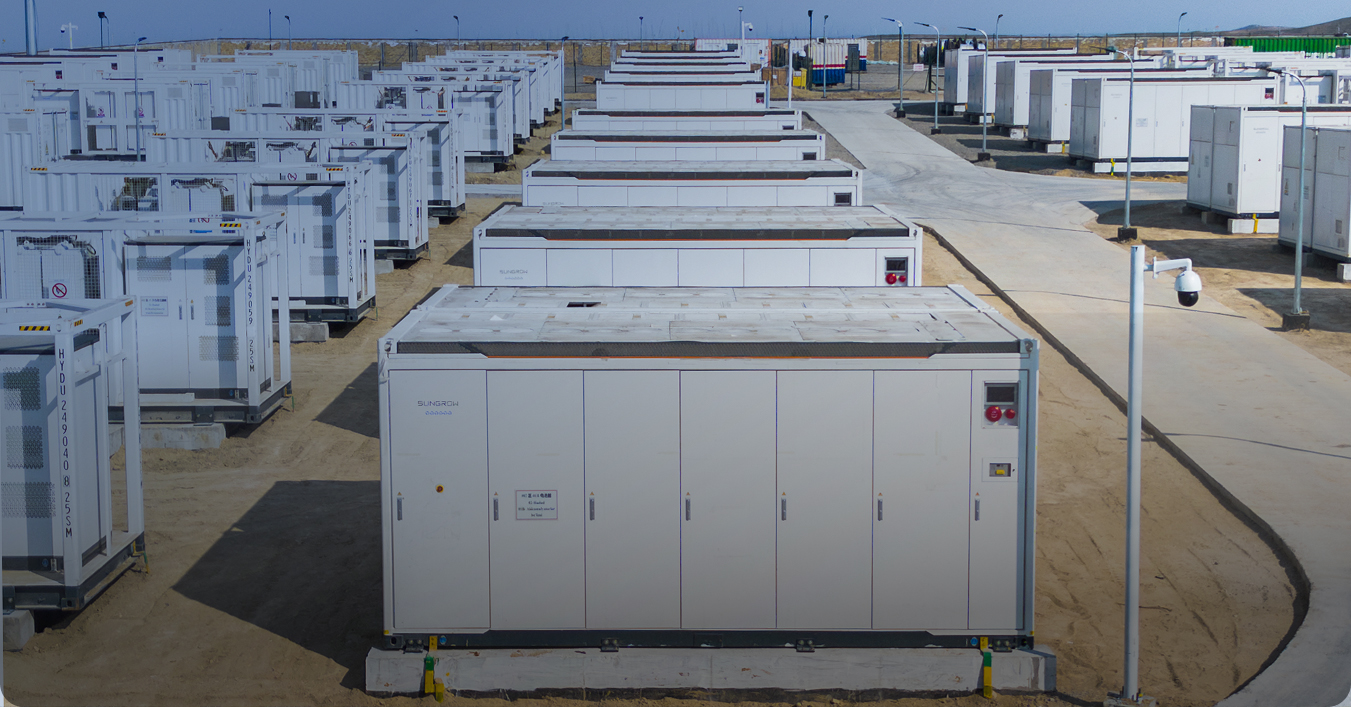
Owners I work with consistently tell me three things: unpredictable revenue streams, control-layer headaches, and underperforming dispatch. I’ve audited contracts where frequency regulation payments were 40% lower than forecast because the SOC management was rigid, and where energy arbitrage models ignored inverter clipping and thermal derating in summer. I’ll be blunt: modular hardware is fine, but poor integration — the software, telemetry, and market stacking — was the weak link. In a 2022 retrofit I led in West Texas, we recalibrated the control logic and recovered roughly $350k of annual value for the operator within six months; that kind of corrective action pays for itself quickly. This experience sets the stage for the next step — evaluating future deployments.
Forward view: What to require next
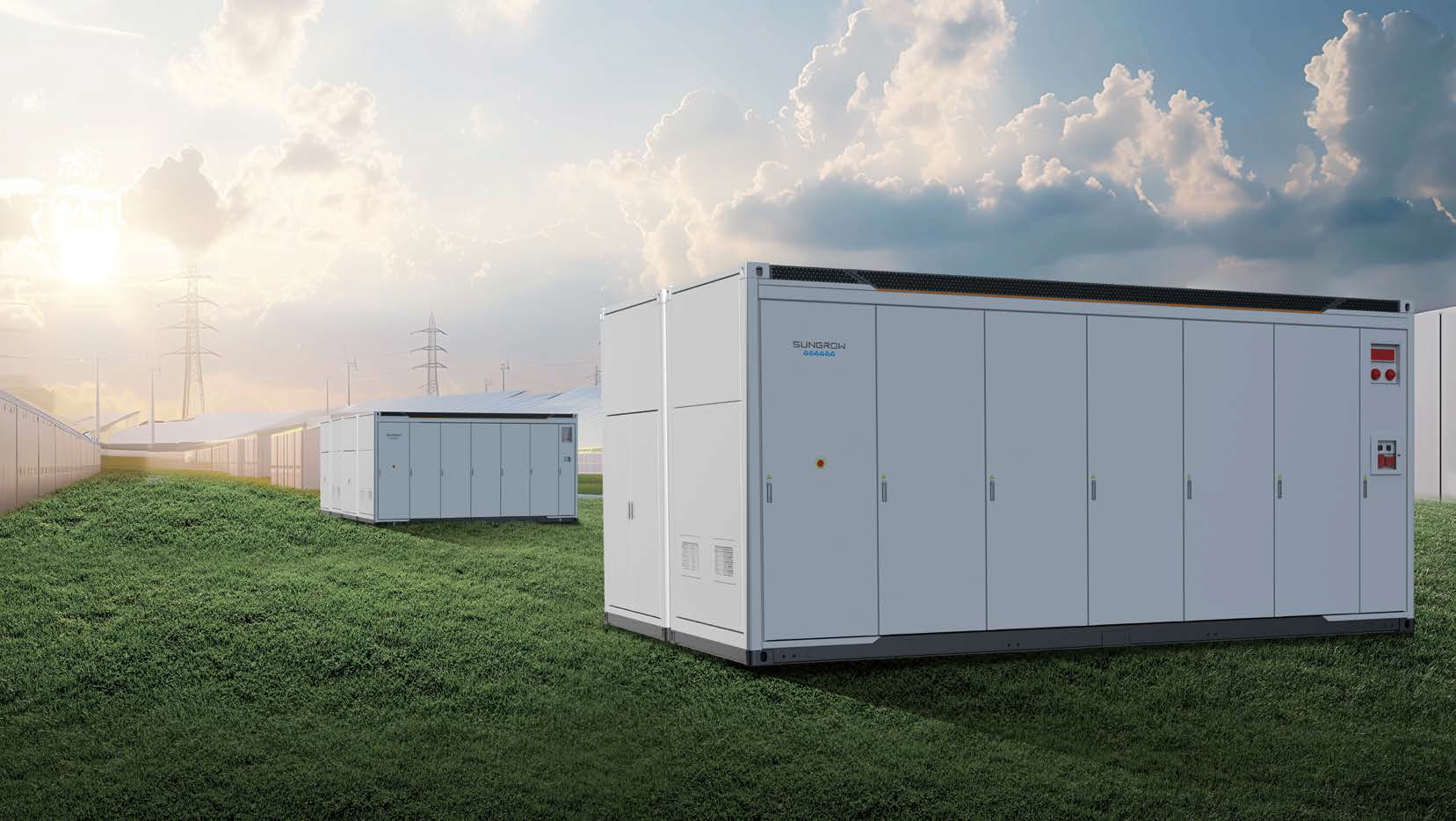
Now I switch to a more technical lens — because if you’re buying utility-scale capacity you need quantifiable checks. When we modeled a 100 MW / 400 MWh dispatch strategy for ERCOT in October 2022, we tested stacked revenue streams: capacity markets, frequency regulation, and day-ahead arbitrage. The model showed that the right control stack and SOC windowing increased usable cycles and improved net revenue by a discrete margin — payback moved from 9 years to about 6.5 years. I want to be specific: require closed-loop inverter telemetry, adaptive SOC limits, and a market-aware EMS (energy management system) that can prioritize frequency regulation bids without killing arbitrage opportunities. What’s next? Tight integration, firmware updates, and transparent performance guarantees. (Yes, upgrades matter.) I also urge vendors to provide a baseline test on-site during commissioning — we did that in March 2023 at a coastal California project and caught a communication timeout that would have reduced capacity payments by 8%. Here are three concrete evaluation metrics I now insist on when we advise clients — 1) measurable cycle efficiency and thermal derating curves under contract, 2) EMS-driven revenue stacking proofs (simulated and historized), 3) warranty terms tied to throughput and inverter firmware support. Choose against those metrics at your peril — I’ve seen the consequence: stranded value. Which surprised some stakeholders. Finally, for practical sourcing, consider a vetted supplier with proven ESS deployments and service capability; I recommend reviewing specifications from utility scale battery energy storage systems vendors and then validating on-site. Short pause — think about lifecycle, not just upfront price. For trusted execution, I point clients to sungrow.