
Introduction — a question to start
Have we grown too comfortable assuming machines can solve every hygiene need? I ask this because the numbers are louder than our habits: global demand for wet wipes has surged, and production expectations keep rising year after year. As a wet wipes machine manufacturer, I see the pressure on lines, the push for faster cycle times, and the trade-offs that teams make (safety vs. speed) — and I worry. Data shows throughput targets often double in five years while staffing and floor space don’t budge. So what happens to quality, to waste, to the systems behind the scenes? — funny how that works, right?
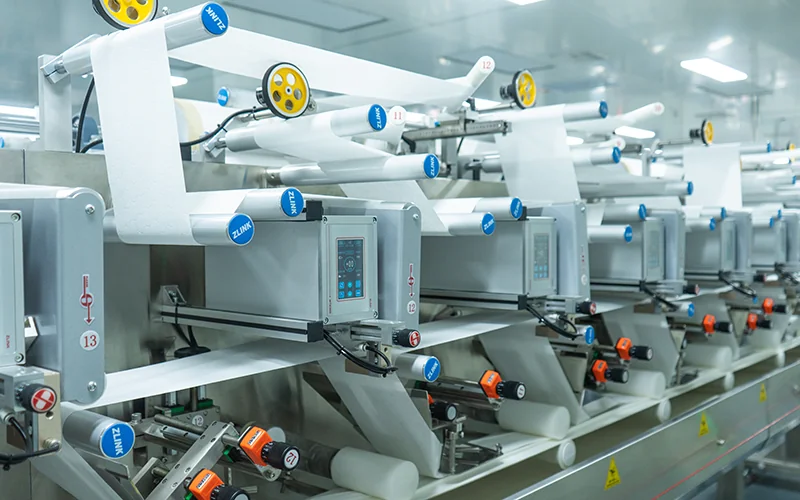
I want to walk you through what I’ve observed on factory floors, from PLC controllers twitching under load to servo motors compensating for imperfect rolls. My aim is practical: to surface real problems that matter to people who design, buy, and operate these systems. This isn’t marketing fluff; it’s a close look at trade-offs we live with every shift. Let’s move from the question to the specifics — and be honest about where things break down.
Deeper Problems: Where Traditional Solutions Fall Short
flushable wipes got a lot of attention as consumers pushed for eco-friendly options, but production-level realities tell a different story. I’ve seen lines built for nonwoven comfort struggle when a “flushable” substrate arrives: substrate tension swings, unpredictable fiber clumps, and rotary cutter jams become daily headaches. In short, traditional wrapping and cutting systems were never designed around the wet, fragile web that flushable options demand. Look, it’s simpler than you think — if you don’t match web handling to material science, you will pay in downtime and rejects.
Technically speaking, many legacy setups rely on basic tension control and generic feed rollers. That turns into a cascade: poor tension leads to misfeeds, which triggers longer dwell times at the die-cut stage and higher scrap. I’ve watched whole shifts chase micro-adjustments on PLC controllers instead of addressing root causes like inconsistent substrate wet-out or inadequate edge sealing. The result? Lower yield and frustrated operators. We need to stop treating those symptoms with band-aids.
Why do these failures persist?
Because inertia wins in purchasing decisions — and because teams rarely test with real-world flushable substrates before ramp. When buyers focus only on cycle rate, they miss the harder metrics: web integrity under wet conditions, cutter wear rates on softer fibers, and cleaning cycles required for safe output. Those metrics matter more than a single, shiny throughput number.
What’s Next: New Principles and Practical Metrics
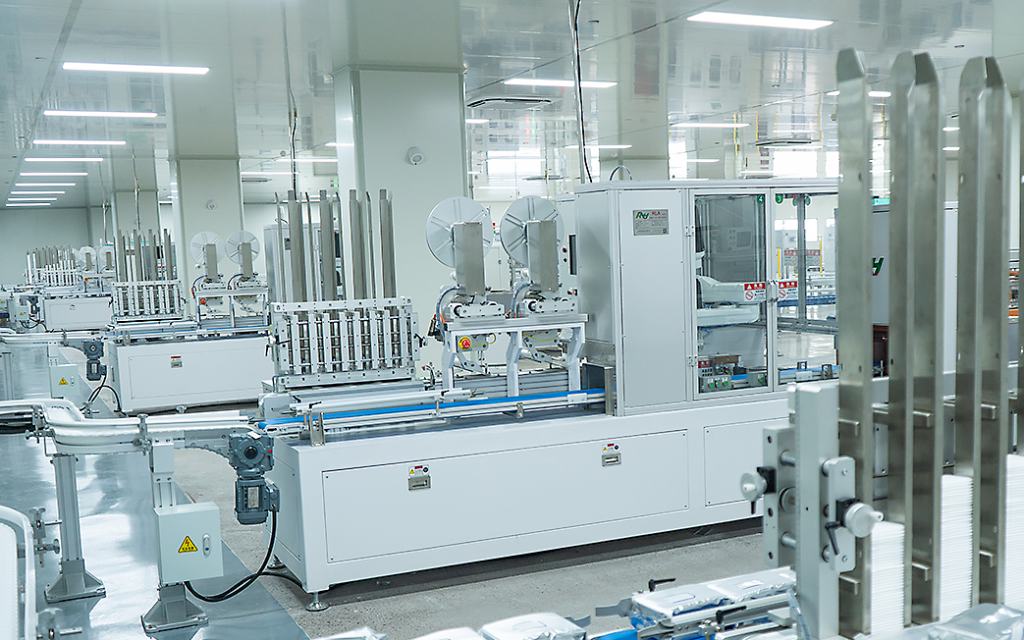
Moving forward, I favor principles over products. We should design lines with adaptive tension control, active web sensors, and modular rotary cutter heads that allow quick swaps. These features are not academic — they directly reduce downtime and improve quality for flushable wipes. I’m advocating for a systems view: integrate real-time feedback (edge computing nodes or on-site vision systems), and let the machine adjust before an operator even notices a problem. Short sentence. And yes — operators will thank you.
In practice, that means investing in better servo motors for fine motion, upgraded power converters to stabilize long runs, and advanced substrate guides that handle variable fiber blends. I’ve piloted setups where these changes cut scrap by half and reduced unplanned stops. The trade-off is upfront cost and a learning curve — but the ROI appears within months in many cases. — funny how that works, right?
Evaluation Metrics I Recommend
When you compare solutions, I suggest we focus on three clear metrics: uptime percentage (measured across real production weeks), scrap rate for flushable substrates, and mean time to changeover. Those three tell you more about a system’s real value than peak theoretical speed. I’d also add one qualitative check: how comfortable are operators with the control interface? If they avoid a feature, that’s a red flag.
I’ve written this from the perspective of someone who’s rolled up sleeves on commissioning days, argued for sensible upgrades in procurement meetings, and watched teams celebrate the small wins. I’m not selling a fantasy — just practical steps you can test on your next run. For companies seeking partners who understand both machines and real production pain, consider exploring solutions from ZLINK. We need better machines, and we need to design them for people.