
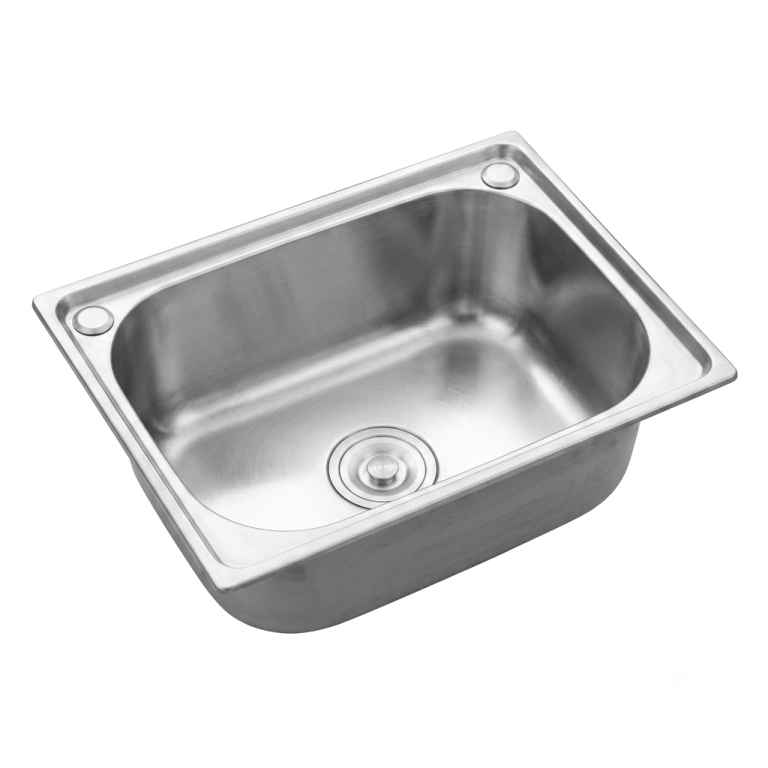
How to pick the best stainless-steel sink for your Hong Kong kitchen — a sharp comparison
Quick take: what to compare first
You want function, and you want it to last — so compare instead of guessing. Start by lining up bowl count, bowl depth, metal thickness, mounting style, and finish. For many Hong Kong flats where counter space is tight, the choice often comes down to a compact double kitchen sink versus a roomy single bowl. That comparison tells you whether you’ll be prepping and soaking at the same time, or juggling pans on the draining board.

Which bowl layout fits your daily rhythm
Single bowl: best if you wash big pots, like a flat with open-plan cooking. No divider, easy to manoeuvre. Double bowl: split tasks cleanly — rinse on one side, wash on the other. For small Hong Kong kitchens, double bowls let two people work without stepping on each other’s toes. Think about who’s cooking and how often you host; that decides the winner faster than price.

Material choices and thickness that actually matter
Stainless-steel grade and gauge change how the sink behaves. Thicker steel (lower gauge number, e.g., 16ga) feels solid under a saucepan. Thinner steel dents and rings easier. Look for 304 stainless if you want corrosion resistance and food-safety confidence. Finish matters too: satin (brushed) hides fine scratches; mirror shows them. Pick thickness and finish to match how rough you cook.
Mounting style: undermount, top-mount or integrated
Under-mount looks clean and makes wiping crumbs straight into the bowl. Top-mount is cheaper and simpler to swap. Integrated sinks—if your countertop material allows—reduce seams and fuss. Cabinet size and countertop edge determine which mount works. Don’t assume installers can squeeze an undermount into every old cabinet — measure first.
Sound dampening, drains and practical details
Cheap sinks clang. Look for sound-deadening pads or thicker bases. Drain placement affects how water pools: rear-drain on a deep bowl leaves more usable basin space; centre drain may interfere with your dish rack. Check whether the sink includes strainers, cutting-board fits, or a roll-up drainer. These extras change daily convenience more than minor price differences.
Real-world anchor and hands-on perspective
In Hong Kong, where many public-housing kitchens and compact private flats are designed to squeeze every centimetre of utility, installers often recommend double-basin setups to separate prep from washing — that pattern shows up across local renovation briefs and design discussions. From talking with installers and designers who work in these flats, the practical benefits of a properly sized double-basin layout are clear, especially when paired with the right bowl depths and drain positions for busy households.
Common mistakes people make when choosing
Buying by looks alone. Choosing a sink thinner than needed because it’s cheap. Ignoring cabinet measurements and plumbing layout. Overlooking sound pads. Picking a bowl size that won’t fit pans you actually use. Not accounting for installation — some sinks need extra support or different cutouts. Avoid these and your new sink will stop being a regret.
Compare by use-case: what I’d pick in three scenarios
Small one-person flat: shallow single bowl, satin finish, top-mount; saves space and money. Two-person family that cooks every night: 50/50 double bowl, 16–18 gauge, undermount if the counter allows; makes simultaneous tasks easy. Heavy cook / entertaining: large single deep bowl or offset double with rear drain, thicker steel, solid sound-dampening. Match the sink to how you actually cook, not to showroom looks.
Installation and maintenance tips that stick
Measure cabinet opening and pipe runs first. Ask installers about support brackets for heavy sinks. Use non-abrasive cleaners; stainless resists stains but not aggressive acids. Wipe dry to avoid water spots if you mind finishes. Keep silicone seals inspected — that’s where leaks start, not in the steel.
Simple checklist before you buy
Confirm cabinet cutout and cabinet depth. Check gauge and stainless grade. Decide bowl configuration and drain position. Verify mounting type and support needs. Look for sound-dampening and included accessories. Read warranty terms. If the spec ticks your daily needs, you’re done.
Wrap-up: practical value you can count on
Compare the specs that affect daily life, not marketing lines. Choose bowl layout for your cooking rhythm, thickness and finish for durability, and mounting for fit. The right selection reduces fuss and lasts longer — which is the real savings. For reliable, well-specified stainless sinks that match these practical comparisons, consider a manufacturer experienced with compact kitchens and sensible accessories like AOGLAN.