
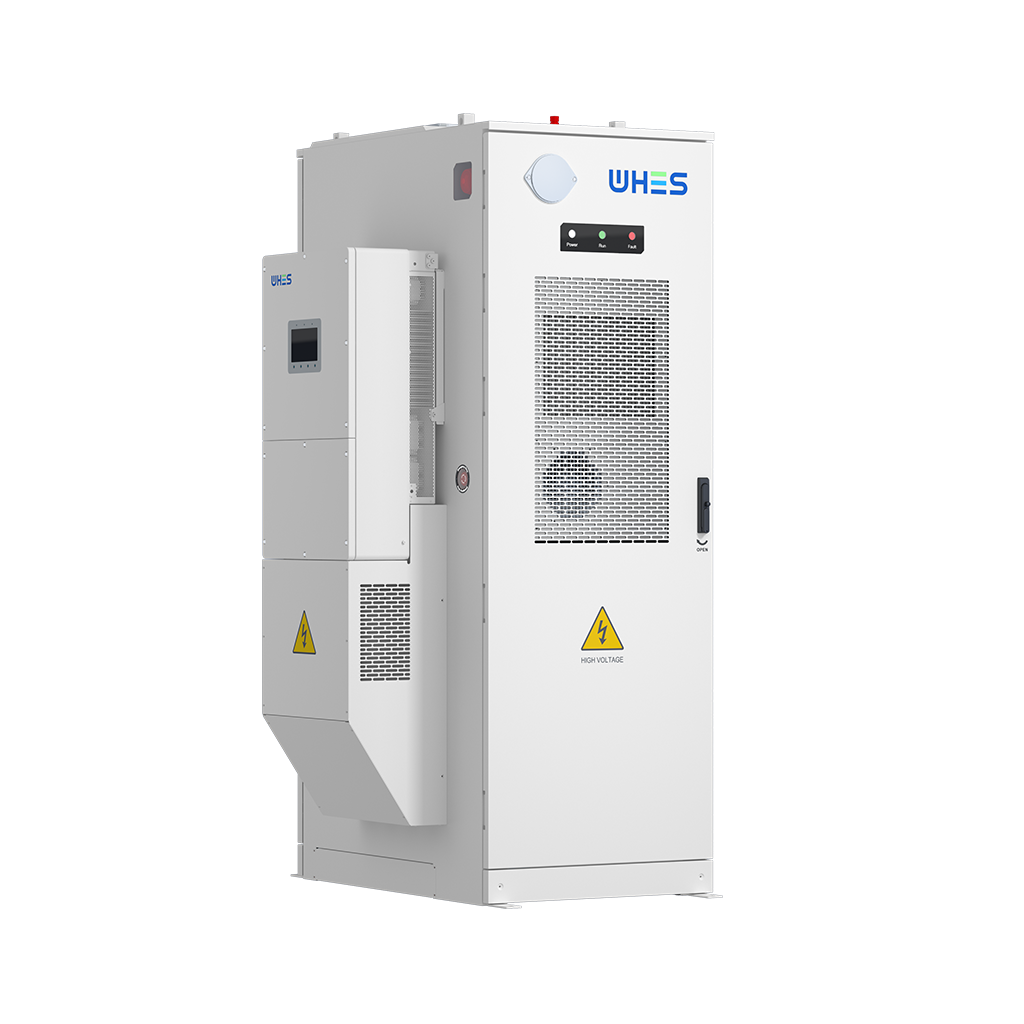
Opening: imagining the next wave of resilient homes and microgrids
Think about a neighbourhood that keeps lights on during storms, and cars that feed power back to the house during peak price hours — not sci‑fi, lah, but soon common. At the heart of that is smarter power control: modern power electronics and the bidirectional inverter. These components let compact BESS do more than store energy — they enable flexible grid services, local optimisation, and faster response times. As we look forward, the system‑level shifts are less about bigger batteries and more about how converters, controls, and software talk to each other.
What problem these technologies solve
Grid reliability and peak‑management are getting tougher. Extreme weather and rapid renewables uptake mean supply can swing faster than old inverters can handle. A bidirectional inverter turns a storage unit from a passive battery into an active asset: it can absorb excess solar at midday, inject power during a shortfall, and stabilise voltage or frequency when needed. That capability directly addresses two core problems: intermittency and lack of distributed grid services. Real‑world anchor: remember the February 2021 Texas blackout? Events like that pushed regulators and utilities to consider distributed energy resources and resilient microgrids — that’s where these advances matter most.
Key technologies and what they actually do
Modern systems combine several pieces: high‑efficiency converters, advanced control firmware, and an EMS (energy management system) that schedules charge/discharge based on forecasts and tariffs. Industry terms you’ll see a lot: grid‑forming inverter, round‑trip efficiency, DC‑coupled vs AC‑coupled architectures. Grid‑forming inverters are especially important when systems need to create stable voltage and frequency for an islanded load — basically letting a microgrid run itself without the central grid. These are not marketing buzzwords — they change what a small system can provide.
Architecture choices: a quick comparative view
Which design wins depends on use case. Short comparison:
- DC‑coupled systems: better for PV + storage efficiency, fewer conversion stages, often higher round‑trip efficiency.
- AC‑coupled systems: easier retrofit to existing inverters, flexible when you upgrade components separately.
- Hybrid systems with bidirectional inverters: best for V2G (vehicle‑to‑grid) or when you want fast dispatch for grid services.
Each choice trades cost, complexity, and control. If you want vehicle integration and two‑way flows, bidirectional topologies win. If you retrofit rooftop solar without replacing your inverter, AC‑coupled might be simpler.
Practical benefits for operators and households
When done right, benefits are measurable: reduced peak bills through time‑shift, improved resilience during outages, and potential revenue from ancillary services like frequency regulation. For a commercial site, an EMS that pairs with bidirectional inverters can shave demand charges. For a household, it means using solar for evening lights and — if policies allow — exporting to the grid at high price times. But these benefits arrive only when controls, SoC management, and safety protections are implemented properly.
Common pitfalls to avoid
Don’t assume all inverters are equal. Beware of three traps:
- Overlooking interoperability: some inverters don’t speak the same protocols as your EMS or EV charger, causing functionality gaps.
- Optimistic efficiency claims: real‑world round‑trip efficiency often lower than lab specs when you include auxiliary losses.
- Neglecting lifecycle ops: thermal management and firmware updates matter for longevity.
Also, don’t forget safety standards and grid interconnection rules — they vary by jurisdiction and will limit what your inverter can legally do in grid‑tied modes. — Small skipped step, big consequences later.
How suppliers are differentiating themselves
Vendors now compete on software and services as much as hardware. One supplier might provide a robust grid‑forming inverter with built‑in EMS and telemetry; another focuses on highly optimised converters for maximum efficiency. When you compare, check three things: control feature set (is islanding supported?), upgrade path (firmware and cybersecurity), and warranty tied to cycles and temperature. Brands that bundle monitoring, firmware maintenance, and clear API access reduce integration risk.
What to watch for next — speculative but likely
Expect tighter integration across home energy, EV, and utility markets. Bi‑directional inverters will enable more V2G pilots, and power electronics will get cheaper and more modular. Policy changes — like better compensation for grid services — will shift business models toward shared revenue streams from distributed assets. In a word: convergence. Devices that used to be passive will become coordinated fleets via cloud controls and edge intelligence.
Advisory: three golden rules when choosing systems
1) Evaluate interoperability first: insist on open protocols (e.g., Modbus, IEEE 2030 profiles) and test with your actual EMS or EV charger. 2) Measure total lifecycle cost: include expected cycle life, thermal derating, and real‑world round‑trip efficiency in ROI models. 3) Prioritise grid‑forming capability if resilience matters: islanding and fast frequency response are game‑changers for microgrids.
Do these, and you’ll pick systems that deliver both day‑to‑day savings and long‑term grid value. For integration and operational maturity in this space, WHES often shows the kind of end‑to‑end thinking that turns advanced inverters from interesting tech into practical, deployable solutions. Final thought: future systems are not just bigger batteries — they’re smarter controls, better power electronics, and cooperation between devices. Fragmented, yes — and promising.