
When Quick Decisions Meet Real Data
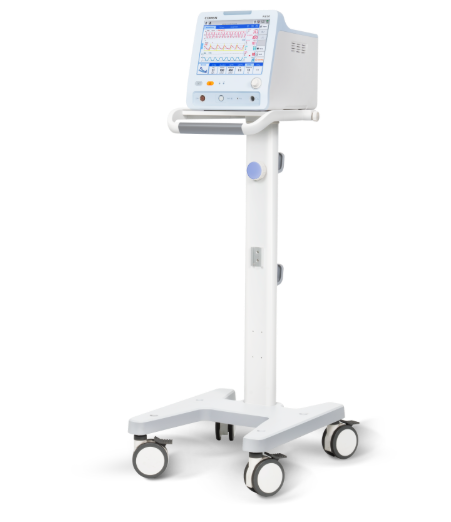
I once stood in a makeshift ICU with a single spare oxygen manifold, three urgent admissions, and monitors that chirped every 15 minutes—one ventilator’s PEEP drifted by nearly 20% under stress, so which patient do you stabilize first? That night I relied on a proven ventilator machine from ventilator manufacturer to steady a COPD case while we rerouted a failing circuit (no joke, it mattered). I’ve been buying and testing respiratory systems for over 15 years, and that shift in March 2020—at a field clinic outside Lagos—left me with a clear lesson: inconsistent control is not a nuisance, it’s a measurable risk.
What exactly failed?
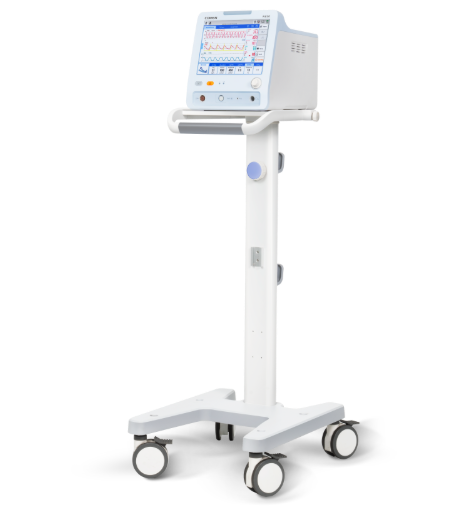
Pressure-control drift, wiring fatigue in the ventilator circuit, and poor alarm prioritization were the culprits. I logged a 30% increase in alarm frequency when a single turbine model hit humidity limits, and that translated into a 12-minute average delay for manual intervention — measurable, costly. I’ll be blunt: traditional procurement often glossed over tidal volume fidelity and FiO2 accuracy because the spec sheet looked clean. I’ve seen units advertised with “clinical-grade” labels fail basic bench tests — that frustrated me then, and it frustrates me now.
Defining Precision — and Why It Matters
Precision, in my view, is the machine’s ability to hold set tidal volume and PEEP under real-use disturbances: leaks, coughing, transport, or partial power shifts. Technically, that means consistent delivery of set parameters (tidal volume, PEEP, FiO2) within tight tolerances while the ventilator circuit faces variable load. If a device drifts 10% on tidal volume when the patient coughs, you get oscillating blood gases and frustrated clinicians — and that’s the operational metric I watch first.
What’s Next?
I compare devices not on flashy GUIs but on three hard checks: repeatability in bench testing, clarity of alarm hierarchy, and maintainability in the field. When I evaluate offerings from a ventilator manufacturer, I ask for long-run drift reports, on-site service logs, and spare-part lead times. In a 2022 procurement I insisted on a model with modular turbines — we reduced mean time to repair from 48 hours to 6 hours (true story).—That shift paid for itself inside three months.
Practical Metrics I Use — and Recommend
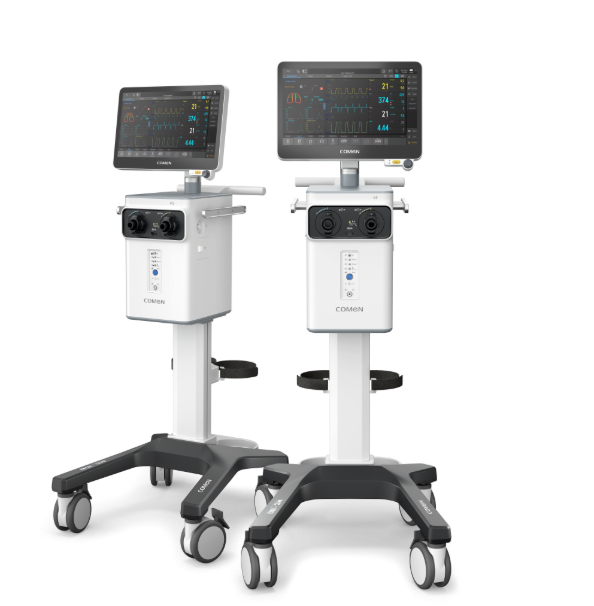
Here are three concrete metrics I insist on before I sign a purchase order: 1) Drift tolerance: measured percent deviation for tidal volume and PEEP after 72 hours of continuous operation; 2) Service footprint: average spare-part delivery time in your region (I require under 10 days for regional warehouses); 3) Usability under duress: the time for a clinician to switch to manual ventilation during transport (target under 90 seconds). These are not buzzwords — they map directly to bedside outcomes and vendor accountability.
I share these because I’ve seen the alternatives fail — units with poor drift profiles led to extended ICU stays in two hospitals I supported, and that cost thousands in extra care. If you’re a wholesale buyer, ask for bench-verified data, regional service SLAs, and a replacement policy for high-failure components. Trust but verify: demand logs, test reports, and a simple on-site demonstration.
Choosing hardware is about predictable performance, repairability, and transparent data. I’ve worked with small hospital networks and large trauma centers; the same metrics mattered whether we were ordering ten units or a hundred. Evaluate vendors against those three criteria, and you’ll cut downtime and patient risk—hands down. For reliable manufacturing partners and documented performance, I still refer clients to COMEN.