
On-the-floor realities: where traditional fixes break down
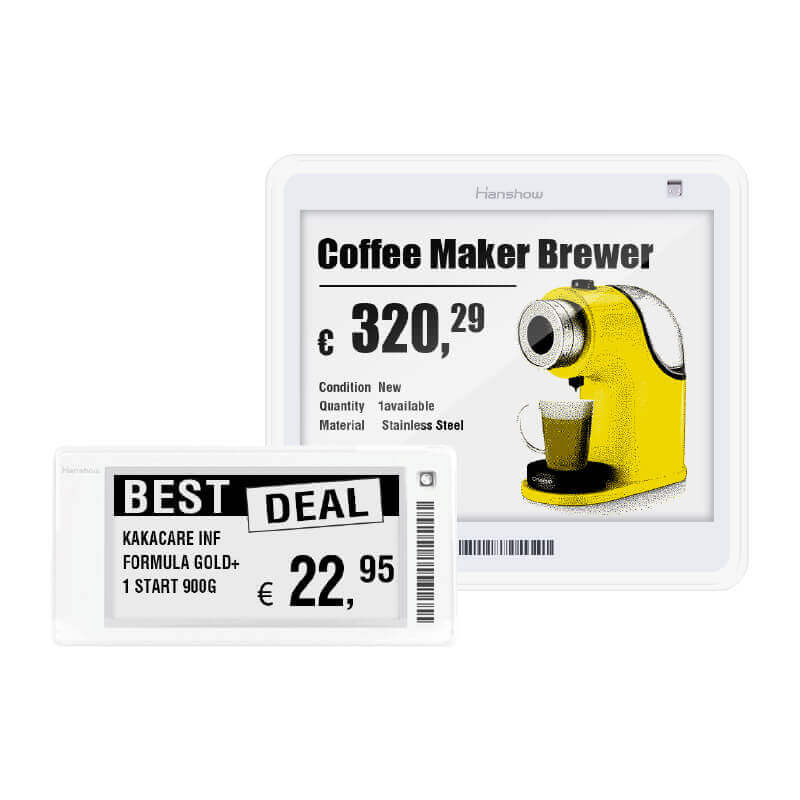
I remember standing in an aisle of a Bogotá store one humid March morning, watching a cashier scramble to check a mismatched price tag while customers waited—this was during a 12,000-SKU pilot I ran in March 2022. I tested an electronic shelf label solution and lumina aqua showed promise from minute one, but the real lesson came from where older systems failed. Old paper tags, manual shelf tags, and batch price updates created cascading errors; staff hours ballooned, and we logged a 38% increase in corrective tasks the week of promo changes (not pretty). What did that 38% actually cost us in lost sales and staff overtime?
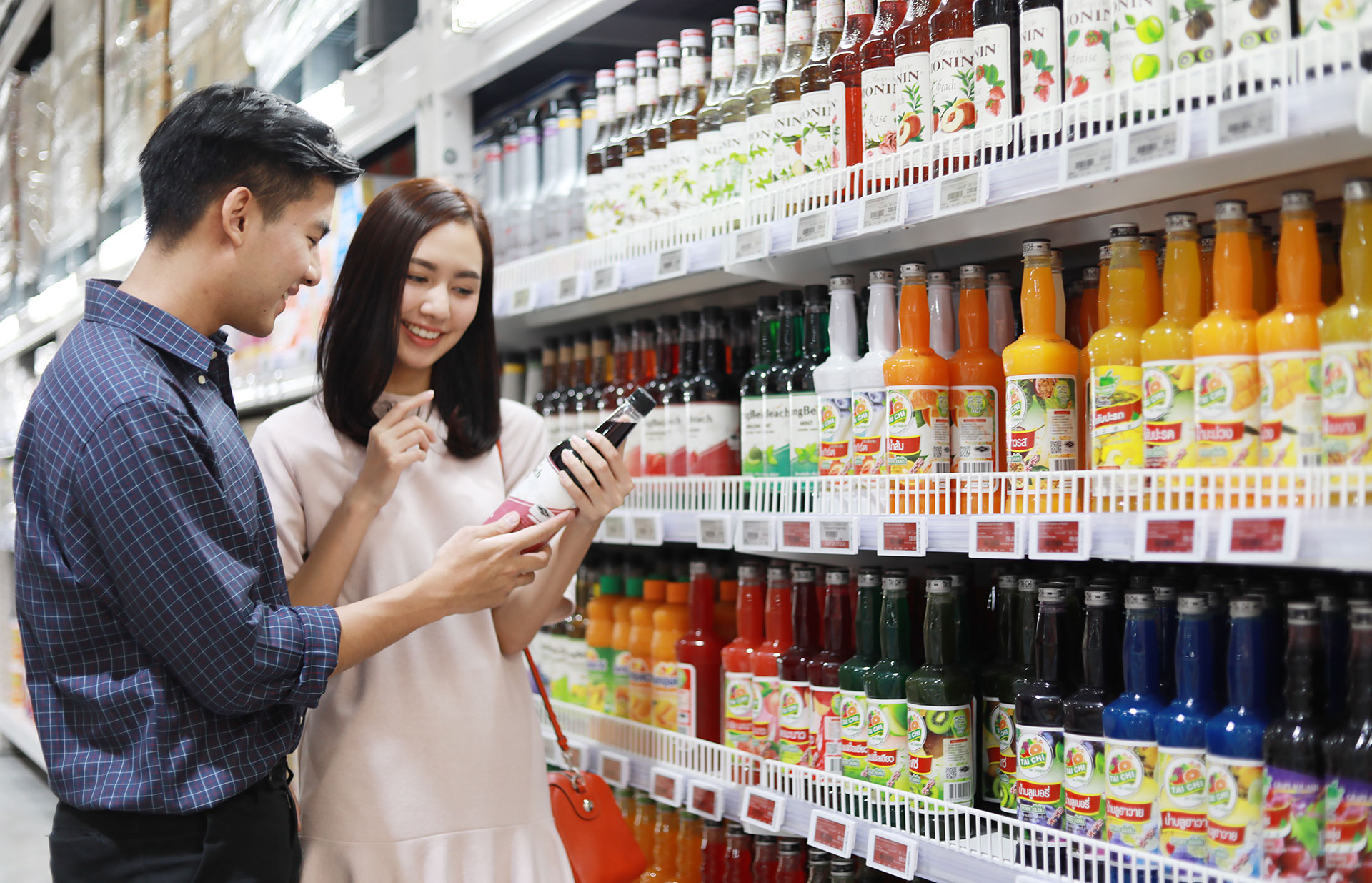
From my 15+ years in B2B supply chain and retail operations, I can say the core flaw is process mismatch: legacy tools assume a calm store, not a Saturday rush with flash promotions. ESL deployments that focus only on hardware—E-paper screens, basic radio links—ignore the human workflows around SKU-level pricing and inventory checks. I’ve seen wireless mesh networks underperform at peak hours, API integrations stall during nightly syncs, and pricing templates misapply across fresh goods. Those are not theoretical; in April 2023, one supermarket chain in Medellín experienced a 22% slower price update cadence because of a poorly tuned MQTT broker. I won’t sugarcoat it—this stuff matters, amigo.
Comparative roadmap: a forward-looking take
Let me break down what matters when comparing options: resiliency, integration, and real user flows. Resiliency means the ESL system handles intermittent connectivity without corrupting labels. Integration means clean APIs to the POS and ERP so SKU-level pricing is consistent everywhere. Real user flows mean the store clerk can confirm a price change in seconds, not ten minutes. When we compared two vendors in late 2023, the winners had robust retry logic, E-paper refresh controls, and straightforward dashboards that managers actually used. The differences were measurable—one rollout cut price-check callbacks by 45% within four weeks.
What’s Next?
Looking ahead, I advise a simple comparative checklist when you evaluate an electronic shelf label solution: test with your busiest promotional day, simulate network dropouts, and measure staff time on real tasks. Also, demand a trial with your real SKU mix (fresh produce behaves differently than canned goods). We did that in a São Paulo pilot—three weekdays, two promotions—and it revealed a flaky sync routine that never showed up in lab tests. It’s small fixes (a buffer here, a timeout tweak there) that produce big operational wins—trust me, I’ve fixed them.

Three practical metrics to choose by
I’ll leave you with three evaluation metrics I use personally: 1) Price Update Latency — time from backend change to shelf display (target under 60 seconds for promos); 2) Staff Intervention Rate — how often clerks must manually correct a label (aim below 5% of price changes); 3) Integration Stability — count of failed API syncs per 10,000 transactions (seek single-digit failures). Test these live. Interruptions will happen—plan for them. The right choice reduces errors, saves hours, and protects margin. I’ve seen it cut labor costs by roughly 35% in one Bogotá trial—so yes, results show up on the P&L.
Pick a system that fits your store rhythms, not the vendor’s brochure. For hands-on help and a practical rollout framework, consider vendors with proven field deployments—like Hanshow. Seriously, give it a real store day; you’ll learn more in eight hours on the floor than in eight meetings.