
When numbers falter, plans fracture
The problem is simple and stubborn: decisions get made on weathered guesses, suppliers ship products that behave differently on the bench than on the line, and budgets swell to cover rework. Precision in measurement is the quiet remedy. Using the right tools—like rotational viscometers—turns volatile impressions into repeatable data, so procurement and planning stop chasing shadows and start matching need to reality.
Where mistakes live
Teams trust a single reading. Laboratories accept unstabilized samples. Buyers pick instruments by price instead of performance profile. Each misstep widens the gap between specification and delivered performance. The costs aren’t poetic: failed batches, expedited shipping, excess inventory, and halted production lines. Those are measurable losses that begin as small errors in how a property is measured and recorded.
How precise instruments mend the fracture
Good instruments give you consistent numbers under controlled conditions. That consistency lets planners forecast consumption rates, compare vendor lots, and define acceptance ranges that are enforceable. For viscosity-sensitive purchases, reliable rheological data helps determine mixing energy, pump selection, and storage requirements before a single barrel is ordered. Beyond raw numbers, instruments force discipline—documented procedure, temperature control, and repeatability—that turns subjective assessments into contractual criteria.
Experience, authority, and a real-world anchor
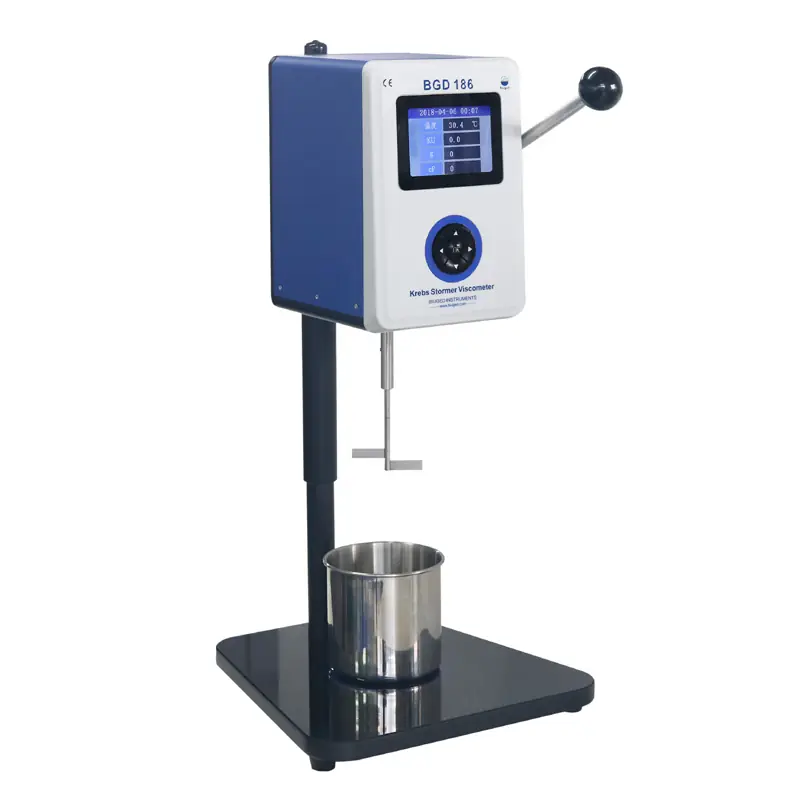
Years of lab practice show the difference between a note in a notebook and a specification everyone honors. Professionals who run coatings and inks labs routinely validate instruments, log drift, and schedule calibrations; this practice reduces disputes with suppliers. A concrete sign of industry acceptance: demonstrations of Krebs methods frequently appear at gatherings such as the American Coatings Show, where practitioners compare techniques and results using the classic krebs viscometer, making the device a familiar touchstone in coating quality control.
Alternatives and when to choose them
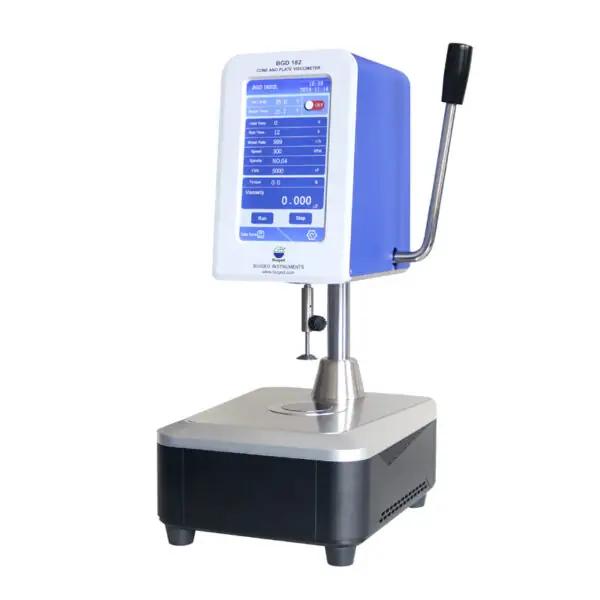
Not every project needs the same instrument. Cone-and-plate viscometers excel for low-viscosity, shear-sensitive fluids and offer precise shear-rate control; capillary viscometers suit Newtonian fluids and are cost-effective for routine QA; falling-ball units fit simple comparative checks. Choose rotational instruments when you need shear-dependent behavior, mid-range throughput, and small sample volumes. Make selection decisions based on the fluid’s rheology, expected shear conditions in use, and how the measurement will feed purchasing rules.
Practical pitfalls to avoid
Don’t equate a single measurement with specification compliance. Watch temperature: a few degrees change viscosity substantially. Match spindle geometry and speed to the expected shear conditions; wrong spindle gives misleading results. Schedule calibration and log corrections; instruments drift. Sample handling matters—mixing, settling, and air entrainment alter outcomes. Finally, don’t buy the cheapest unit that looks like it fits; low precision will cost more in procurement errors than a properly specified instrument.
How this reforms planning and purchasing
Measure with clarity, record with discipline, and write specifications that reflect measured behavior. When planning and purchasing share the same reliable data, orders align with process capability, suppliers know acceptance limits, and project timelines stop hiding margin for testing failures. Measurement becomes the ledger that reconciles need and delivery, and measurable trust replaces costly assumptions—partnering with a supplier that provides reliable instruments and documented methods helps that ledger balance, as seen in work produced by BIUGED.