
Introduction
I remember walking into a plant where a line stopped mid-shift and everyone blamed “the motor”—sound familiar? In that moment I realized the numbers told a story: production hiccups, roughly 20–30% of the time, traced back to motor issues. Electrical Motor Products show up in every sentence of that story, from conveyor drives to HVAC fans. I want to guide you through what I’ve learned (shortcuts, mistakes and small wins) and ask one simple question: how do we move from reactive fixes to steady performance? — let’s flip the page and dig in.

Where Traditional electric motor solutions Break Down
Why does this keep happening?
electric motor solutions are often sold as drop-in answers, but the truth is more complex. Most proposals focus on nameplate specs and peak horsepower, not on real-world variables like ambient temperature, intermittent duty cycles, or cumulative vibration. I’ve seen inverters misconfigured, belts misaligned, and controllers set without a thought for thermal limits—simple things that cascade into bigger failures. Terms like inverter, torque, and variable frequency drive come up a lot in conversations, but they’re rarely tied to the plant’s actual operating profile.
From my experience, two hidden problems keep repeating. First, designs assume steady-state operation; they ignore repeated startups, stop-and-go cycles, and transient loads. That wears bearings and stresses windings in ways spec sheets don’t show. Second, diagnostic gaps: teams lack good feedback loops (no vibration monitoring, poor logging). Look, it’s simpler than you think—adding the right sensors and configuration steps cuts failure rates dramatically. — funny how that works, right? I’ll show the technical pieces next so you can see what to change.
New Technology Principles for Better ac motor and controller Performance
What’s Next — practical principles?
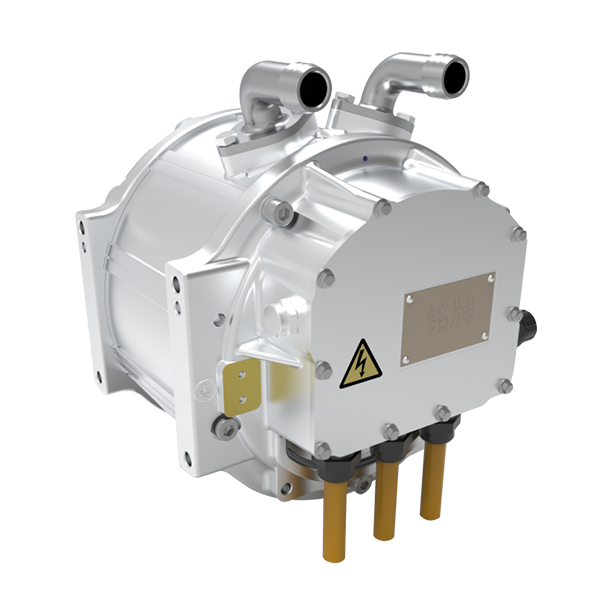
We move now from problems to principles. Modern approaches combine smarter control strategies with better data. An ac motor and controller that communicate via a simple protocol can adjust torque, limit inrush, and adapt to thermal conditions instead of operating at a one-size-fits-all setting. I’m talking about integrating power converters with adaptive control logic, using basic edge computing nodes for local decision-making, and applying predictive algorithms to flag wear before it becomes downtime. These are not sci‑fi ideas; they are pragmatic steps that reduce surprises on the floor.
Here’s how I’d prioritize implementation: first, add real-time monitoring (temperature, vibration, current draw). Second, tune the controller to match duty cycles—use soft-starts, ramp profiles, and torque limits. Third, standardize data logging so trends are visible across units. You’ll see variations shrink and mean time between failures grow. — and yes, this involves some upfront effort, but the payback is clear. To wrap up, let me give you three concrete metrics I use to evaluate any motor solution.
How to Judge Solutions — three practical metrics
1) Duty-match index: Compare the motor’s rated cycle to the actual cycle (starts per hour, loaded time). If they don’t match, the design will drift. 2) Predictive signal coverage: Count how many critical signals you can monitor (temperature, current harmonics, vibration). Aim for at least three independent measures per motor. 3) Control adaptability score: Can the controller change ramp rates, torque limits, and thermal protection without hardware swaps? If yes, that’s a big win.
I’ve applied these checks in several plants and the results spoke for themselves—reduced unplanned stoppages, smoother startups, and clearer maintenance priorities. If you want a partner that understands these steps and can help implement them, take a look at what Santroll offers. Santroll