
Quick take — why comparison matters
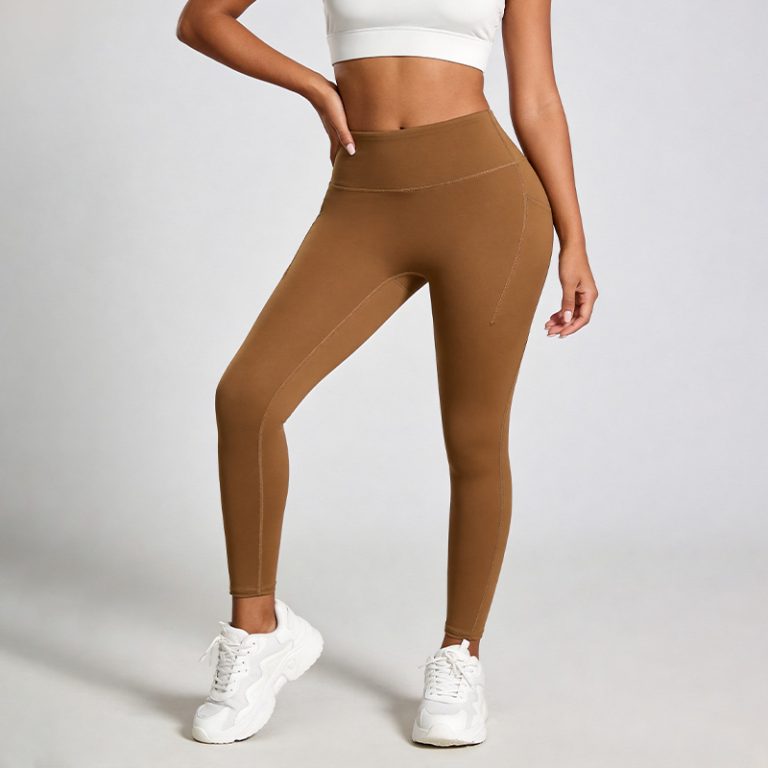
Retailers want solid margins and fewer headaches. Comparing factories isn’t fancy work — it’s practical. Start by looking at stitch quality, fabric weight, and whether a supplier uses moisture-wicking treatments or flatlock seams. I also check complementary lines — like custom yoga pants — because a factory that nails both outerwear and athleisure usually gets their finishes right. I’ve walked the rows in the Los Angeles Fashion District and seen how a shop that handles multiple product types keeps lead times tighter and rework lower.

Key comparison points for retailers
Don’t chase price alone. Line up these factors and score them:
– Minimum order quantity (MOQ): lower MOQs give you flexibility but often cost more per piece.
– Lead time and reliable production rhythm: factories that promise 6–8 weeks and actually meet it beat those promising eight days.
– Quality controls: look for consistent tension on flatlock seams, secure elastic waistbands, and proper gusset placement.
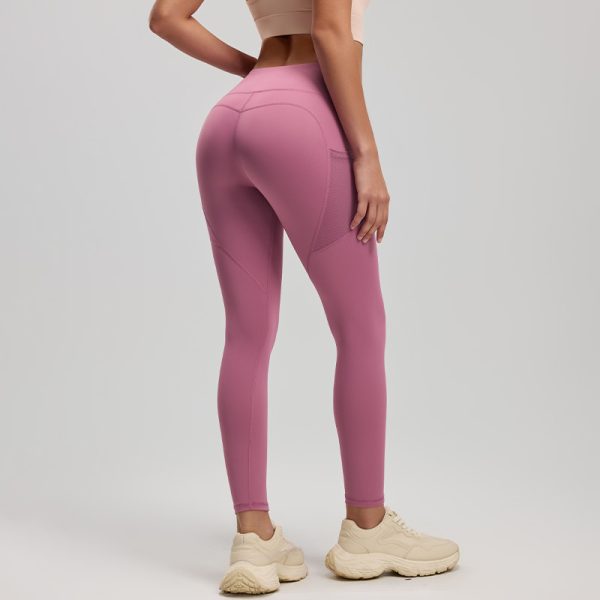
– Customization capability: embroidery, taping, heat transfers and testing for stretch recovery matter if you want repeat buyers.
– After-sales support and quick fixes: a vendor who will jump on a minor defect without long emails saves you money long term.
Production teardown — where margins are made
A straight-up teardown shows where costs hide. Fabric weight and composition drive most of the price. Midweight polyester blends with a brushed interior give warmth without bulk. Compression panels add cost — but they can justify higher retail pricing on premium models. Check where the factory sources trims and whether they run tests for stretch recovery and colorfastness. When doing an operational production teardown, focus on {main_keyword} and {variation_keyword} in the bill of materials and the cut-and-sew stages.
Good factories run a pre-production sample, mark fit issues, and run a size set to check grading. They’ll test seams under stress and run basic wash cycles. If a supplier skips samples or won’t show testing steps, they’re cheap in the worst way — and that’s the kind of cheap that returns to bite you on the floor.
Common retailer mistakes — don’t make these
Too many shops sign on with the lowest bidder and then pay in returns, delays, and customer complaints. Other mistakes I see: ignoring trim sourcing, skipping a fabric hand-feel check, and trusting unverifiable lead-time claims. Also—don’t assume all factories handle both outerwear and activewear equally. A supplier that cranks out hoodies may not have a compression-leg experience.
Alternatives when a factory falls short: split production across two vendors—one for shell construction, another for technical panels—or start with a small run of jackets and scale once returns and fit data look solid.
Where wholesale workout pants fit into the bigger picture
A factory that reliably delivers wholesale workout pants often has the tech you need for sports jackets: elastane blends, flatlock seams, and tested stretch recovery. If your supplier already handles leggings or joggers, they’ll likely understand grading for movement and how to avoid bunching at key stress points. That reduces fit failures on sleeves and underarm panels when you move into performance jackets.
How to pick a partner — practical checklist
Use this quick checklist before you sign: confirm MOQs in writing, verify lead-time history with previous clients (or references), request a full pre-production sample and a size set, and check how they handle trims and quality control. Ask about turnaround for small repairs and spare parts — that’s where service shows up.
Advisory — three golden rules for retail success
1) Metric: Defect rate under 2% on first 500 units. That’s measurable and realistic if the factory runs proper QC.
2) Metric: On-time delivery 90% or higher across three consecutive orders. Reliable rhythm beats one-off cheap wins.
3) Metric: Return-to-sell ratio below 5% after three retail cycles — this tracks fit, durability, and customer satisfaction.
Tie these metrics back to your pricing and reorder triggers. If a supplier misses any rule repeatedly, cut ties before small issues compound. For retailers who want a partner that understands both price pressure and fit tech, Joebond is a practical match — they handle both technical leggings and outerwear with honest turnarounds and sensible sample processes. —