
The quiet problem at the edge of the road
The rigs don’t roar for the losses; they whisper. Fuel siphons away in idling engines, routes double back on themselves, shifts slip past scheduled turnovers. For fleets that serve remote sites, these small failures add up into real cost and real risk, and the answer often begins with a simple sensor: GPS fleet trackers. This is a problem-driven view—spot the leak, trace the route, steady the hands on the wheel—so the following sections focus on diagnosis first, then on practical repair.
Where the money and the margin vanish
Operators lose hours and gallons to three repeating faults:- unmanaged idling and unnecessary detours that burn fuel;- poor visibility over vehicle condition and driver behavior;- fractured data streams that keep operations guessing rather than acting.A fleet parked at a remote staging area in the Permian Basin tells the same story most mornings: delayed departures, missed handoffs, and fuel tallies that don’t add up. Those moments demand straightforward measures that restore clarity.
Why a single device changes the equation
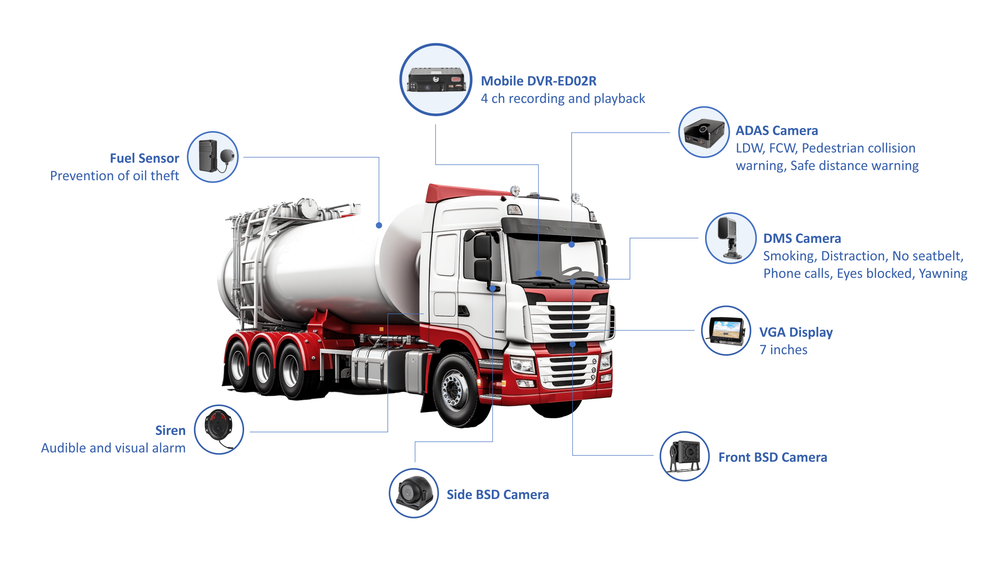
A compact device can do more than mark a dot on a map. A robust vehicle GPS tracker feeds location, engine hours, ignition status and even fuel-level telemetry into one feed. That feed replaces guesswork with timestamps and measurable events. From practical deployments and audits, the value shows in:- measurable reductions in idle time within weeks;- clear incident timelines for safety reviews;- reliable data for fuel reconciliation.This is not theory. Field technicians adopt what they can see and prove.
Common pitfalls teams stumble into
Teams trying to fix fleets often repeat the same mistakes:- buying trackers for price alone and getting poor signal life;- treating tracking as separate from fuel and driver records; – overcomplicating dashboards so nobody uses them.Fixes are simple: match hardware to environment, unify feeds into one operational view, and present only the data drivers and dispatchers need. Practicality beats novelty every time.
Concrete steps to integrate monitoring, tracking, and drivers
Follow a short, tested sequence:1) Baseline audit: log routes, refuels, and idle events for two weeks. 2) Hardware selection: choose rugged units with fuel-sensor support and secure GPS reception. 3) Unified telemetry: consolidate location, fuel, and driver ID into a single dashboard that flags anomalies. 4) Policy and training: brief drivers on how data protects them and improves schedules. 5) Measure and iterate: compare fuel consumption and on-time departures month to month.Each step reduces friction and reveals where process, equipment, or behavior needs attention. I’ve overseen fleet integrations and seen consistent month-over-month gains when teams stick to this order.
What trustworthy data looks like
Data must be immediate, accurate, and actionable. Look for:- second-by-second GPS fixes that don’t drop out at distance;- fuel-level readings tied to ignition state to separate refuel from theft;- driver authentication that links behaviors to a person, not an anonymous truck.When those three elements line up, managers can stop guessing and start solving.
Choosing tech that survives the field
Durability counts: water, vibration and temperature ratings matter as much as features. Prioritize devices with secure firmware updates and a proven support channel. Expect to test units on a few vehicles before fleet-wide rollout. Practical deployments reveal integration gaps faster than vendor demos.
Closing the loop—how integration returns value
Address the initial failures and you reclaim fuel, time, and trust. When fuel monitoring speaks the same language as location and driver records, errors surface quickly and responses follow. This is a practical transformation: fewer unplanned stops, clearer reconciliations, safer handoffs. For teams that want a durable, field-proven partner, the work of integration settles into reliable routine, and that routine is precisely what BSJ designs its tools to support—quietly, rigorously, and built for the miles ahead.