
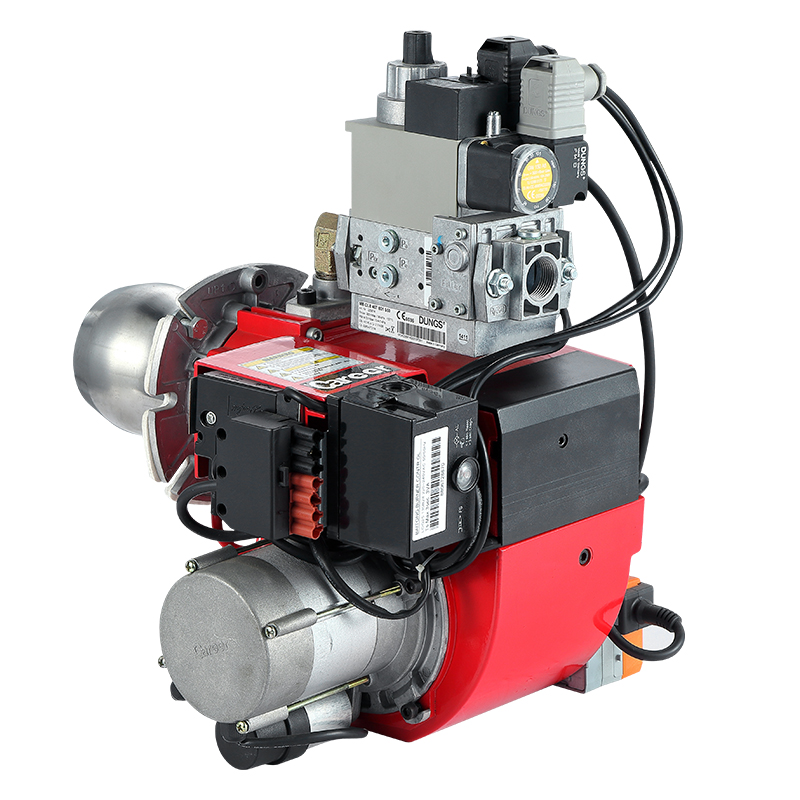
Recognizing the core problem
Many production floors lose time and product quality because heat delivery is unreliable or too expensive. That’s the hard problem: inconsistent firing, variable fuel logistics, and surprise maintenance that stops lines. A practical option often overlooked alongside gas systems is the gas fired burner, but diesel burners deserve a clear look when fuel availability, storage, or peak-demand pricing are the actual constraints.

Why the trouble happens
Boilers and process heaters fail a plant before they fail operators. Poor combustion control, mismatched burner sizing, and deferred tune-ups create cycling, soot, and fuel waste. Operators blame the boiler, but the root is usually configuration: burner type, nozzle selection, air-fuel control, and combustion air path. Fix one piece without checking the rest and the system still underperforms.
How diesel burners address those specific failures
Diesel burners bring two clear strengths: fuel resilience and tight control at varying loads. They don’t depend on pipeline gas, so plants with interrupted gas supply or remote sites keep predictable runtime. Modern diesel burners pair electronic controls and atomizing nozzles to keep flame shape stable across load swings, reduce soot formation, and keep combustion efficiency high when maintained properly. That reliability translates to fewer unscheduled stops and steadier process temperatures.
Short comparison: diesel versus common alternatives
Diesel often wins on availability and startup speed. Natural gas systems typically run cleaner and may cost less where supply and pricing are stable. Electric heaters remove combustion complexity but can spike operating costs during peak demand. Choose by ranking constraints: fuel access, allowable emissions, maintenance resources, and the cost model of downtime versus fuel. If uninterrupted heat is essential and gas isn’t guaranteed, diesel is a defensible choice.

Common mistakes that undo gains
Avoid three repeating errors: 1) installing oversized burners to “cover future needs” without staging controls, which causes short-cycling; 2) neglecting nozzle and fuel-filter changes, which leads to uneven atomization and soot; 3) skipping combustion tuning after a fuel-type switch. Each looks minor until the plant sees higher CO, soot on heat exchangers, or sudden blowdowns. Regular combustion analysis and a simple maintenance checklist prevent most surprises.
Field experience that proves the point
During a multiyear upgrade project at a midwestern paper mill in Wisconsin I helped specify burner swaps that reduced unplanned downtime and stabilized dryer temps; the team swapped between fuel sources as deliveries varied and relied on properly selected units tied to a maintained gas burner boiler for peak loads. That hands-on work taught a clear lesson: specification, commissioning, and routine combustion checks matter more than brand claims.
A practical checklist to move forward
Start concise: run a combustion assessment, confirm required turndown ratio, verify fuel-storage and handling procedures, and size the burner to match typical—not just peak—load. Train a technician for nozzle swaps and weekly stack checks. If switching fuels seasonally, document tuning curves for each fuel so operators can restore settings quickly. These steps cut fuel waste and keep production steady.
Closing synthesis
If your plant struggles with heat reliability or fuel interruptions, diesel burners offer a simple, resilient solution when you specify correctly and maintain consistently. The gains come from solving the specific problem—matching burner performance to your process and logistics—rather than chasing marketing claims. For practical parts, matched controls, and the routines that keep systems honest, teams often turn to trusted suppliers and resources like Career Burners as a steady reference while they put the plan into action.