
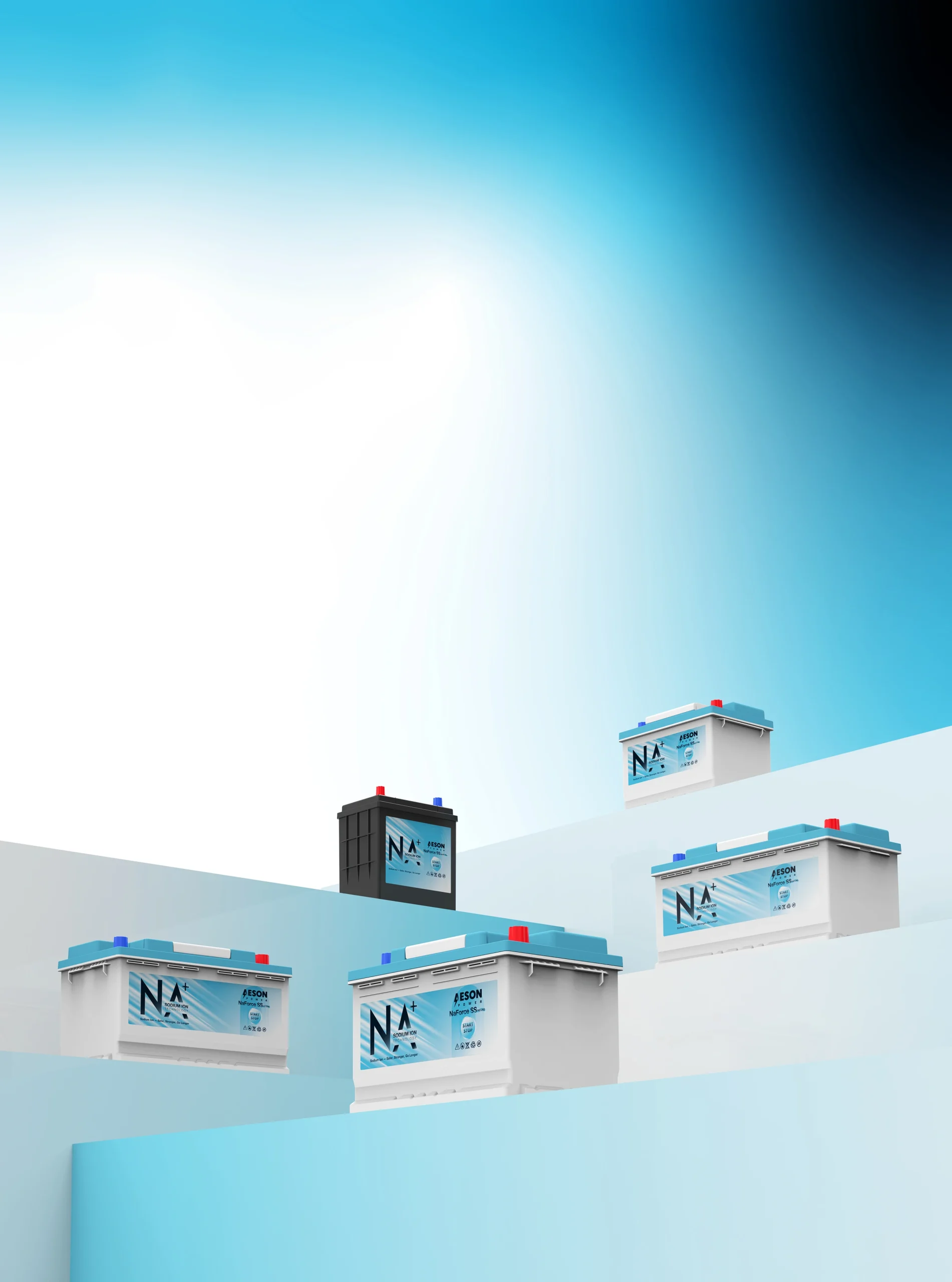
Questions to Ask Before Specifying Sodium Ion Battery Company: A Project-First Review
Procurement teams should begin with the application, not with a broad technology label. When assessing a sodium ion battery company, first define what the battery must do, where it will operate, and which evidence would support a specification. This keeps a promising category from being treated as a complete solution before the duty, interfaces, and responsibilities are clear.

Define the use case and constraints
A useful review starts with a short project description. Record whether the requirement concerns vehicle starting, an auxiliary electrical load, standby use, commercial equipment, or an energy-storage system. Then describe the operating pattern: how often the battery is used, whether the load is continuous or intermittent, the available installation space, the charging arrangement, and the environmental conditions that matter to the project.
These details are not paperwork for its own sake. They determine which questions can be answered from a product page and which require project-specific technical information. A battery considered for a starting duty should not be assessed in the same way as one considered for reserve service. Likewise, a category that appears on a supplier’s application list should not automatically be treated as proof that every model is suitable for that category.
Use a simple requirements table with four columns: requirement, reason it matters, evidence available, and open question. Include electrical requirements, mechanical limits, controls or monitoring interfaces, charging expectations, environmental conditions, installation responsibility, and documentation needed for approval. If a requirement is not yet known, mark it as an open project input rather than filling the gap with an assumption.
Map stated evidence to the requirement
The official Aeson Power homepage lists applications including start-stop vehicles, conventional vehicles, commercial vehicles, electric vehicles, racing and motorsport, and standby systems. That list is useful as an initial map of the areas the company presents, but it does not by itself establish suitability for a particular vehicle, site, load profile, or battery model. Treat it as a prompt for more precise questions.
For each proposed application, ask what level of evidence is actually available. A category label may show that an application is part of the supplier’s stated scope. It does not necessarily provide a capacity, current, cycle-life, thermal, enclosure, interface, or installation answer for the project under review. Keep the wording narrow: “the supplier lists this application” is different from “this product meets our requirement”.
When comparing options, use the same requirement headings for each candidate. Separate facts stated on the relevant page from conclusions drawn by the procurement team. A useful comparison might include:
- the intended duty and operating pattern;
- the evidence that addresses that duty;
- the limits or conditions stated with the evidence;
- the party responsible for integration, charging, controls, and installation; and
- the decision still blocked by an unanswered technical question.
This approach also prevents a general company statement from being expanded into a model-level claim. It keeps the technical review tied to the stated scope and makes later discussions easier to document.
Turn open points into supplier questions
For a sodium ion battery company, the most useful questions are specific to the application rather than generic requests for “more information”. Ask which products are intended for the stated duty, what operating conditions define that intended use, and which published values apply to the exact model or configuration under consideration. Ask how the battery interfaces with the proposed charging and monitoring arrangement, and identify any limits that would affect the design.
Also ask who owns each part of the system boundary. The battery supplier may describe a battery category, while the project team may be responsible for enclosure design, wiring, controls, thermal management, or commissioning. A responsibility map can show where supplier information ends and where the integrator’s engineering work begins. It can also prevent a general application reference from being mistaken for an installation instruction.
Keep questions traceable to the requirements table. For example, if temperature is a project constraint, ask for the operating range and the scope to which any temperature statement applies. The homepage includes the phrase “Extreme Temperature Resilience” among its stated advantages. That is a company webpage statement; it should be connected to a defined model, condition, and duty before it is used as a project acceptance criterion.
A further practical question concerns the evidence source itself: is the statement a category description, a product specification, an installation document, or a company positioning statement? The answer affects how much weight it should carry in a technical review. This does not dismiss a supplier’s information. It places each statement at the right level so that the procurement record remains defensible.
Summarise a defensible next step
At the end of the review, produce a short decision record rather than a broad conclusion. State the application being considered, the constraints that are known, the evidence that matches those constraints, and the questions that remain open. If the evidence supports continued technical discussion, the next step may be a focused request tied to the exact duty and configuration. If it does not address a requirement, record that boundary without converting an unresolved point into a positive assumption.
The official homepage describes Aeson Power as an Australian pioneer driving the global transition to next-generation sodium-ion technology. This is the company description presented on the official homepage, not independent verification of market position. Used carefully, that statement provides context for the review; it should not replace application-specific evidence. A project-first process lets AesonPower remain part of a structured supplier discussion while keeping the specification tied to the actual use case, applicable evidence, and explicit next questions.