
Introduction — a short scene
I once watched a drip of buffer fall into a sample plate and thought: this one drop can change everything. automated nucleic acid extraction has the power to speed up diagnosis and research, but it also magnifies small mistakes into big delays. Recent lab audits show extraction yields can vary by up to 30% between runs and cross-contamination events spike when staff rush (yes, I’ve seen it). So how do we tame the speed without sacrificing accuracy — and who pays attention to the little traps that hide in plain sight?
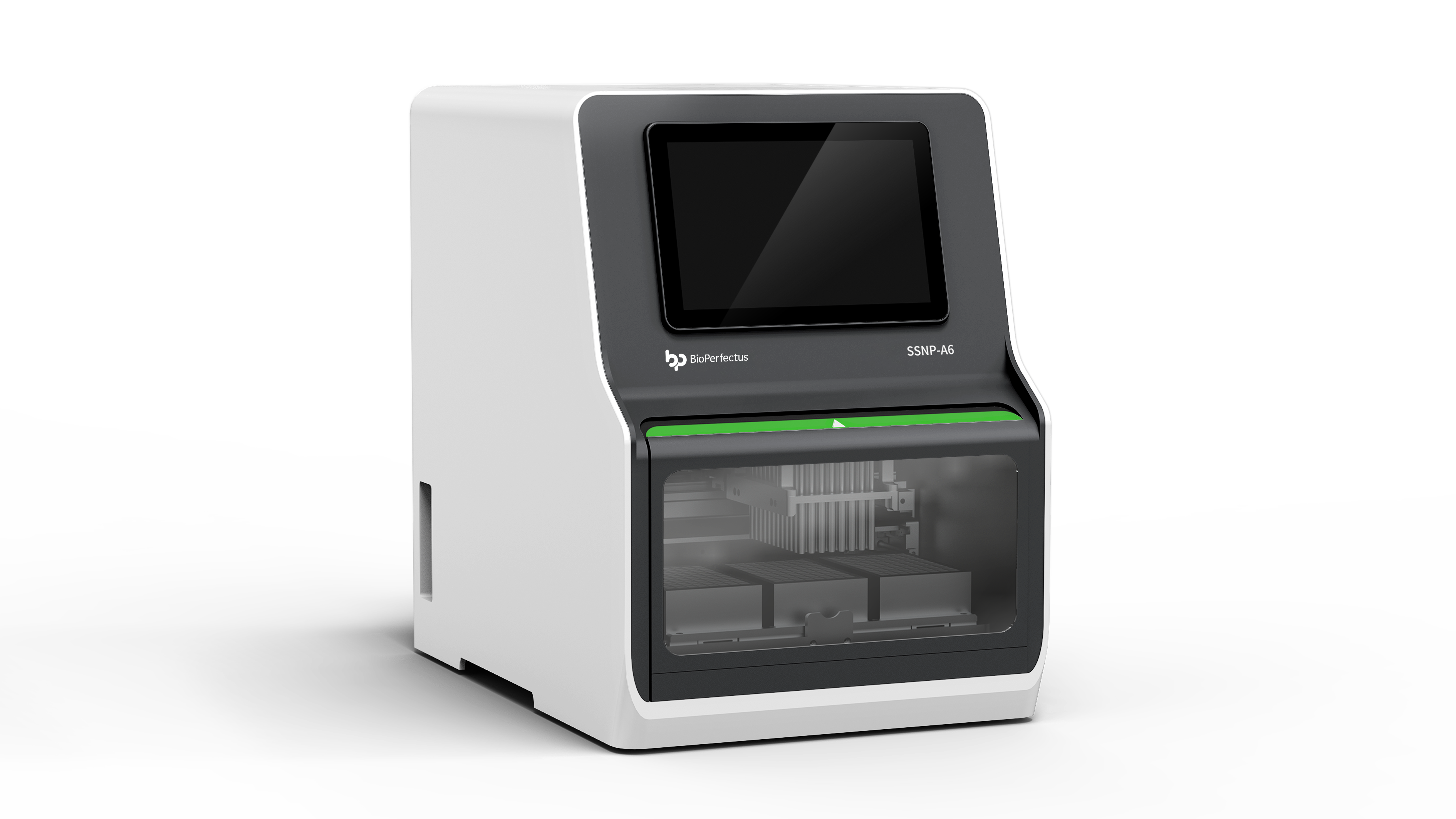
I want to walk you through what I’ve learned at the bench and at the console. We’ll compare common choices, point out real trade-offs, and pick apart the assumptions vendors often make. Ready to peel back the layers? Let’s move on and get practical.
Hidden user pain points with the dna extraction machine
I’m direct about this: automation doesn’t remove pain — it just changes where the pain shows up. Users tell me about frustrating touchpoints again and again. First, setup complexity. Protocol parameters, plate maps, and reagent math can overwhelm a new tech. Then there’s throughput versus quality: pushing for 96 samples per run can reduce elution volume control, and that hurts downstream PCR sensitivity. I’ve had samples fail because a single pipette tip rack was wrongly placed — small error, big result. Look, it’s simpler than you think when you break steps down one by one.
Why does it still feel so fragile?
Here’s the technical truth: many workflows rely on magnetic beads, tight elution volumes, and precise wash steps. A misaligned tip or a worn magnet plate changes recovery. Users also face hidden costs — consumables, calibration downtime, and training gaps. I’ve watched labs buy a machine thinking they solved their staffing problem, only to realize they replaced one bottleneck with another: software configuration and maintenance. And let’s not forget inhibitors: carryover from incomplete washes ruins months of work. I call these the silent leaks. We need to design systems that expect human error and catch it early.
New technology principles and a forward glance
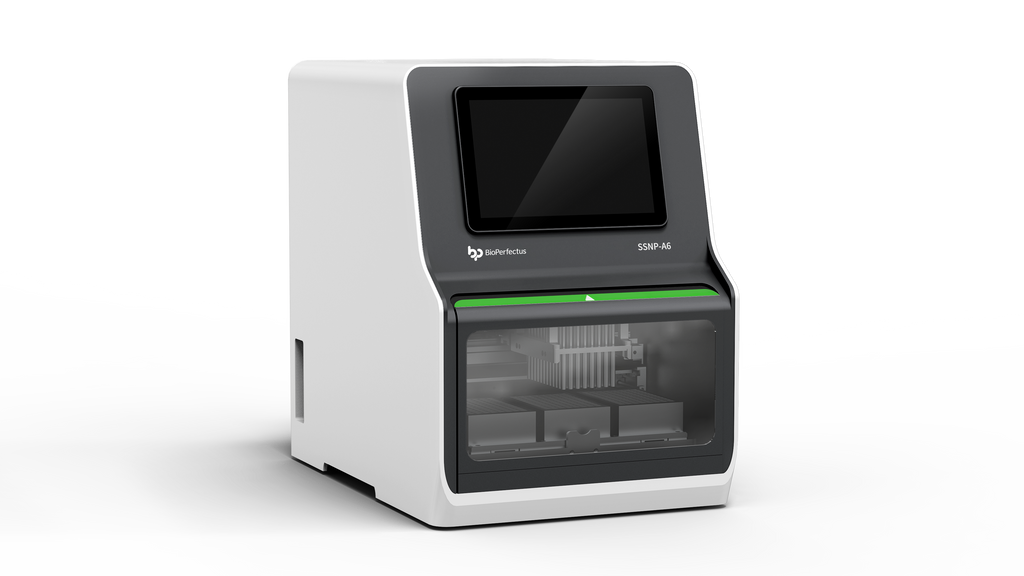
What’s next? I focus on principles that actually help people, not just specs on a brochure. Modern designs favor modular automation, where an automated liquid handler pairs with a compact dna extraction machine and a simple user interface. This reduces single points of failure. Bead-based extraction with real-time magnet monitoring, automated tip checks, and built-in consumable tracking can cut re-runs. We’re talking about practical controls: sensor feedback, error flags, and user prompts that guide instead of confuse. Well — those are the parts I’d insist on if I were choosing for my lab.
What’s next — real-world impact?
Adopting these principles changes the user story. Instead of spending hours debugging runs, teams get time back for validation and data review. We also see fewer PCR inhibitors and better consistency in elution volume. — funny how that works, right? My recommendation is to test for recovery, check inhibitor carryover, and evaluate total cost of ownership, not just upfront price. Below I give three concrete metrics to weigh when you evaluate systems. If you pick wisely, automation becomes a partner, not a puzzle.
How I evaluate systems — three practical metrics
I’ll leave you with three things I actually use when I judge a solution: 1) Recovery consistency: run a control panel and measure variance in yield across 10–20 runs. 2) Robustness to error: simulate placement errors and reagent swaps to see how the device recovers. 3) True throughput: time a full workflow including setup, run, and cleanup — not just the cycle time. Those metrics reveal the real-world performance and the hidden costs that specs don’t show.
Choosing automation is a human decision. We balance speed, accuracy, and the daily experience of the team. If you want a practical partner in this process, I’ve found tools and vendors that respect those trade-offs — and yes, I’m happy to point them out. For reference and further reading, check offerings from BPLabLine.