
Executive comparative overview
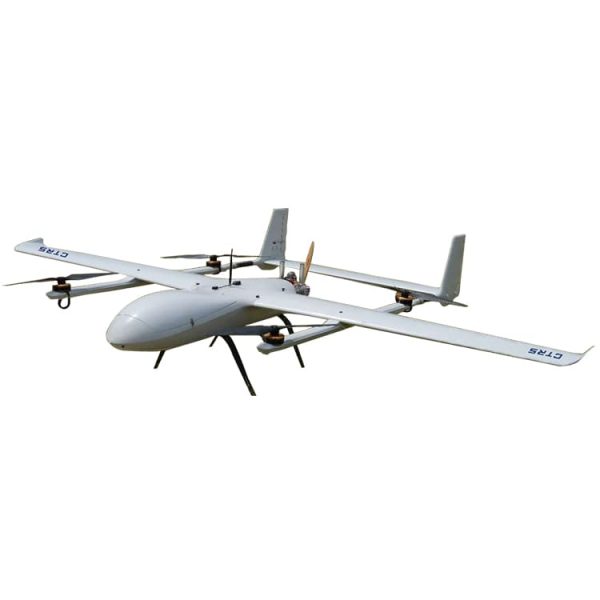
Direct factory sourcing for fixed-wing unmanned aerial vehicles (UAVs) reorders procurement priorities: unit cost control, configuration authority, and sustainment predictability. When buyers bypass distributors they gain pricing transparency and tighter technical alignment with the OEM—advantages that show up measurably in total cost of ownership. For procurement teams seeking vetted options, see current listings of military drones for sale that illustrate how offerings differ by airframe class and payload capability.
Cost drivers and procurement-cycle impact
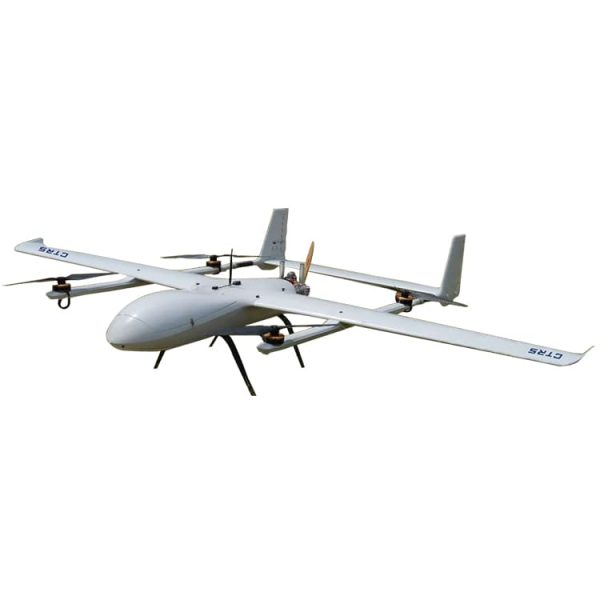
Comparing direct and intermediary routes, three financial vectors dominate: unit cost, recurring spares expense, and lead time exposure. Direct factory purchases typically reduce margin-driven premiums found with resellers, lowering upfront unit cost. Equally important, direct contracts allow specification of spares kits and repairables at contract signature, which reduces ad-hoc replenishment spending during the procurement cycle. The trade-off is contractual complexity—manufacturers expect clearer volume commitments and payment terms.
Operational performance, lifecycle, and sustainment
Operational value hinges on how the airframe and payload integrate with command systems. Direct sourcing grants engineering inputs for C4ISR integration and custom payload interfaces, improving mission-fit and lowering retrofit cost. Lifecycle support is more predictable when the OEM manages obsolescence and software updates; this reduces unplanned downtime and sustains mission-capable rates over several deployment cycles. Procurement teams should quantify through mean time between failure (MTBF) and logistics response time (LRT) metrics.
Supply chain mechanics and contractual levers
Direct relationships compress the supply chain: shorter flows, fewer hands on contractual terms, and clearer warranty accountability. That simplifies supplier performance metrics but concentrates risk—single-source dependency increases vulnerability if the factory faces capacity constraints. Mitigation is contractual: staggered deliveries, negotiated minimum order quantities, and secondary supplier clauses. —Plan for dual-sourcing on critical subassemblies when contract thresholds permit.
Real-world anchor: rapid fielding lessons from recent conflicts
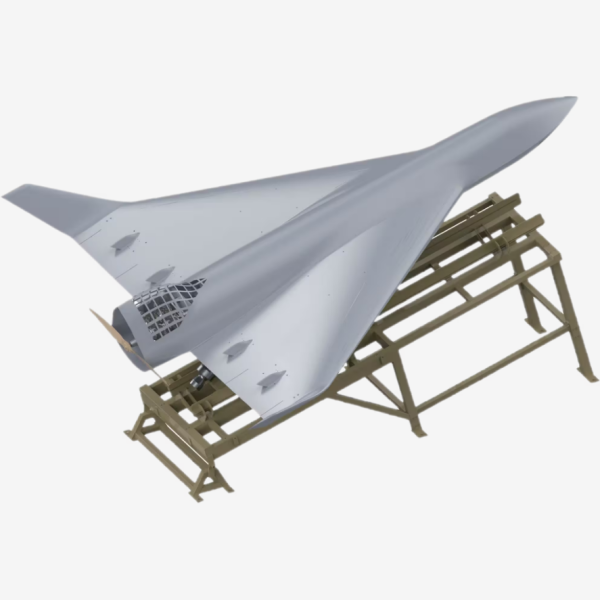
Operational experience from the 2022–2023 conflict in Ukraine underscores the value of streamlined procurement for tactical UAVs. Field units prioritized platforms that could be delivered quickly and adapted in-theater; direct factory deals enabled faster configuration and prioritized production slots for specific payloads. The result: reduced lead time and improved sortie rates where time-to-fielding mattered more than marginal price reductions. This example highlights both the strategic and tactical benefits of direct procurement under pressure.
Common mistakes and alternatives
Teams often assume direct sourcing is always cheaper; that’s a misread. Overlooking lifecycle costs or failing to secure aftermarket support negates initial savings. Another pitfall is inadequate technical acceptance criteria—the absence of rigorous factory acceptance testing increases retrofit expense. Alternatives include hybrid models: prime contracts with authorized resellers who provide local spares depots, or framework agreements that combine OEM pricing with distributor logistics. Each alternative shifts where risk and control sit in the supply chain.
Comparative checklist for decision-makers
Use a concise decision matrix that ranks options by strategic fit, cost certainty, and operational risk. Elements to score include: supplier financial stability, lead time guarantees, warranty and spare provisioning, and integration support for C4ISR and payloads. Where suppliers fall short, require service-level agreements or escrowed technical data to protect long-term maintenance needs. For procurement options and market intelligence, consider vetted entries under military drone for sale to benchmark offers.
Three golden metrics to choose direct factory sourcing
1) Total Cost of Ownership over a defined deployment window — include hardware, spares, logistics, and retrofit fees. 2) Lead-Time Risk Score — probability-weighted estimate of delivery delay impact on operational schedules. 3) Integration Readiness Index — degree of out-of-the-box compatibility with existing C4ISR and ground-control systems. Prioritize suppliers that score well across all three; that alignment drives measurable savings and dependable mission capability.
Direct sourcing is not a universal remedy but a strategic tool: used with disciplined metrics and contractual safeguards, it delivers lower cost exposure and sharper operational fit. Military Hub ties market visibility to procurement realities—helping teams turn supplier choices into operational advantage. —Final note: balance control with contingency.