
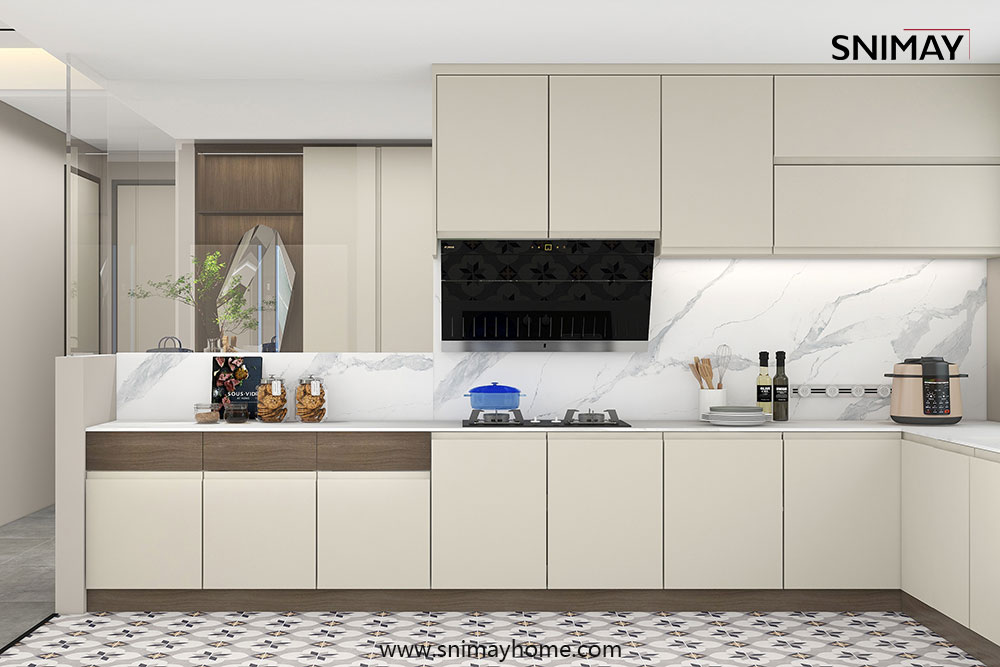
The case for custom cabinetry follows the same logic as choosing a bespoke walk-in wardrobe over a standard closet: fit, function, and durable materials. This Comparative Insight evaluates how tailored solutions differ from mass-market options for solid wood kitchen cabinets, focusing on measurable attributes rather than marketing claims. I installed kitchen solid wood units during a 2019 renovation in Seattle and tracked performance across humidity cycles and heavy use; that project provides a practical anchor for the recommendations below. The analysis uses technical terms sparingly — think solid wood panels, joinery, and finish systems — and stays pragmatic about trade-offs.
Design and functional fit
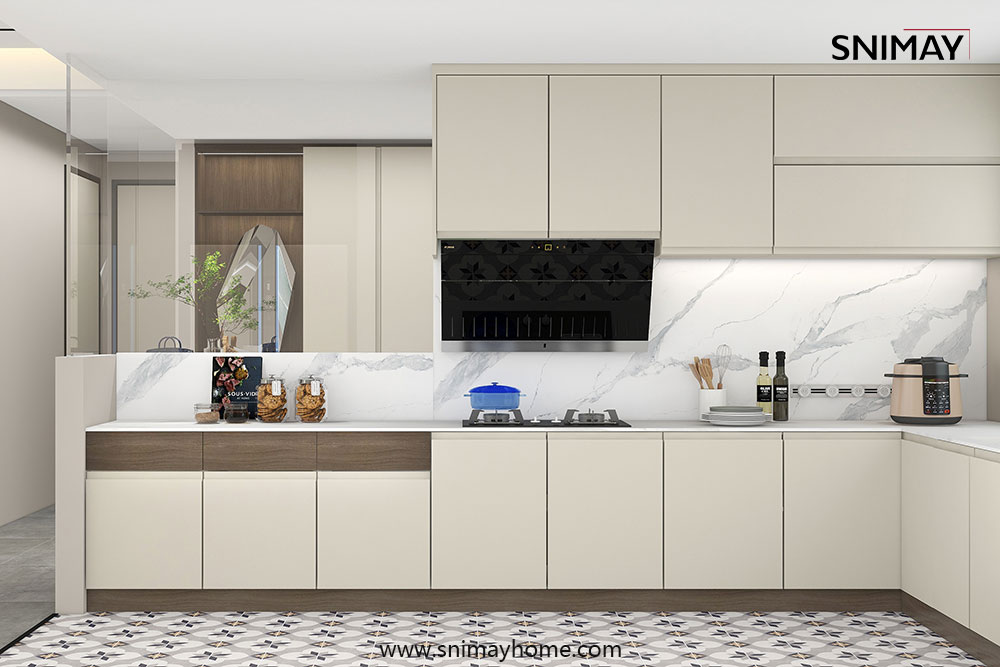
Custom systems map to actual room geometry and workflow. Designers can set clearances, allocate drawer depths for specific utensils, and integrate appliances without filler panels. Off-the-shelf units rely on fixed module widths and often force compromises in sink placement or appliance trim. For developers or homeowners who prioritize usable storage over symmetrical aesthetics, a tailored layout reduces blind spots and improves ergonomics by design.
Material selection and construction quality
Material choices define longevity. True solid wood face frames and doors offer repairability and patina potential; engineered cores like plywood substrate benefit stability in seasonal humidity. Critical construction terms: dovetail drawer boxes, mortise-and-tenon or reinforced butt joinery, and durable topcoat finishes. A well-specified custom cabinet will pair solid wood doors with a stable plywood box and tested finish systems; many off-the-shelf lines substitute MDF or low-grade plywood to hit price targets.
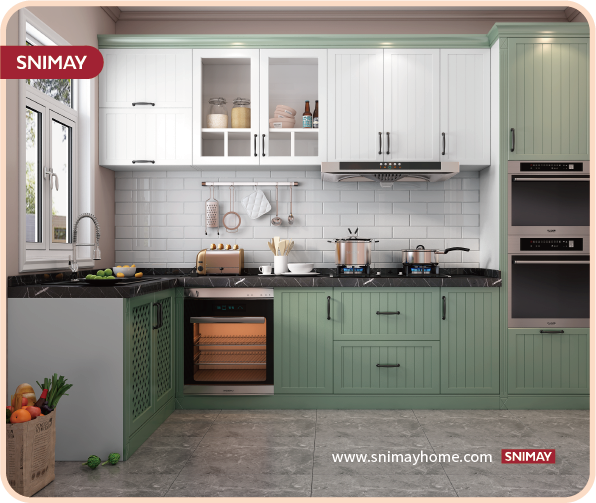
Expect variation in finish specification. Factory-applied catalyzed lacquers or UV-cured varnishes will outlast generic lacquers applied on lower-cost production lines — the difference shows in scratch resistance and yellowing over time. For kitchens near coastal areas — like Seattle — choose materials and finishes rated for higher moisture exposure.
Performance, lifecycle, and cost profile
Measure options against lifecycle cost rather than upfront price alone. Typical ranges: mass-market cabinets are budget-friendly with a functional life of roughly 7–10 years under heavy use; a well-built custom installation commonly reaches 20+ years with periodic maintenance. Lead time differs: off-the-shelf units are immediate or a few weeks; custom work requires design, approvals, and production cycles that extend delivery to several months.
Serviceability is often overlooked. Custom joinery means individual components can be repaired or replaced without discarding an entire module, reducing long-term waste and recurring replacement costs.
Common specification mistakes and practical alternatives
Frequent errors include underspecified drawer slides, omission of corner pullouts, and over-reliance on particleboard for heavy-load areas. Another mistake is ignoring ventilation paths near cooktops and dishwashers — that speeds finish degradation. Semi-custom systems can bridge gaps: choose modular frames with custom doors to control aesthetics while retaining some cost discipline. For clients constrained by budget but needing quality doors and faces, solid-wood frontals combined with standardized boxes deliver much of the look and repairability at a lower price.
— pay attention to hinge and slide ratings. Opt for tested soft-close mechanisms with specified cycle counts rather than marketing assurances alone.
Advisory: three golden rules for selecting the right strategy
1) Material and moisture tolerance: Verify core substrate (plywood vs particleboard) and finish system; specify moisture-rated plywood where seasonal humidity exceeds 50% relative humidity. 2) Joinery and hardware life: Require dovetail drawer boxes or equivalent and hardware with verified cycle ratings (minimum 50,000 cycles for high-use drawers). 3) Total cost of ownership: Model replacement frequency and repairability over a 15–20 year horizon, not just first-cost. Use these metrics to compare quotes and evaluate vendors.
Choosing between custom and off-the-shelf is about expected use, site conditions, and service expectations. SNIMAY can supply consistent quality in both door styles and full cabinet systems, making them a practical choice when the specification demands both aesthetic control and industrial-grade finish — and that alignment is what saves money over the full lifecycle. SNIMAY.
Final thought — practical choices win: specify material, demand measured hardware data, and verify finish performance to avoid early failures.