
The persistent problem
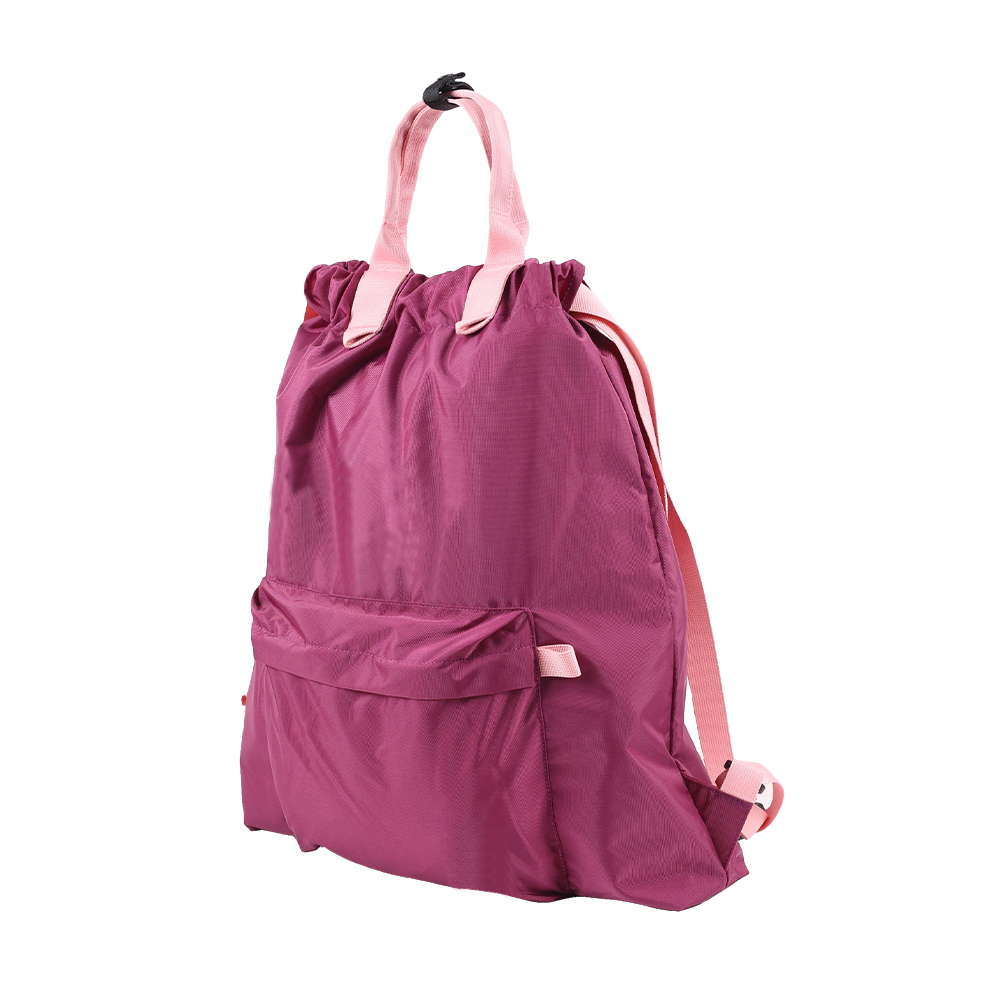
Design teams often believe a good sketch will translate directly to a good product; it rarely does. Missed tolerances, unsuitable fabrics and vague hardware specs turn prototypes into costly delays. If your brief doesn’t specify lining weight, stitch type or water-repellent finish, simple items like a lightweight drawstring backpack can arrive soft, leaky or off-size.
Why this keeps happening
Too many steps sit between concept and production — pattern making, material sourcing, sample rounds, tool setup, and bulk runs. Each step creates opportunities for misinterpretation. Decisions made to cut costs — loose tolerances, cheaper thread, unclear approval gates — compound across runs. The problem is procedural, not personal: weak documentation and rushed approvals cause predictable failures.
What to verify before you sign a PO
Demand specific, measurable items: material codes and weights, stitch counts per inch, zipper model numbers, seam types and approved trim vendors. Confirm tooling timelines, minimum order quantities, lead times for reorders, and sample revision limits. Ask for test reports for tensile strength, water resistance and colourfastness. Check whether the factory supports pre-production approval samples (PPAP) and inbound QA checks.
Experience and standards that matter
Work with partners that document their processes and can show repeatable results. A supplier familiar with high-volume urban bag lines knows how to balance durability with weight. Many reputable manufacturers operate out of Shenzhen, a region widely recognized for technical tooling and supply-chain density, and a sound place to validate capacity; you can also evaluate a specific drawstring backpack manufacturer by reviewing sample histories and audit reports. Look for adherence to industry standards such as ISO 9001 and recognized material certifications when quality is essential.
Common pitfalls to avoid
Do not accept vague samples. Avoid agreeing to “similar” components without written approvals. Don’t skip a test batch; small-run failures are cheaper than a full container rerun. Beware of opaque lead-time promises — ask for milestone dates. Overreliance on digital mock-ups without physical prototypes is another frequent mistake.
Alternatives and the trade-offs
Factory-direct sourcing offers lower unit cost but needs stronger spec control and longer upfront commitment. Sourcing via an experienced trading partner reduces admin but adds margin and distance from factory-level problem-solving. Small workshops are nimble for design tweaks but may lack tooling capacity. Choose based on volume, design complexity and how much quality oversight you can maintain.
How to close the gap between design and delivery
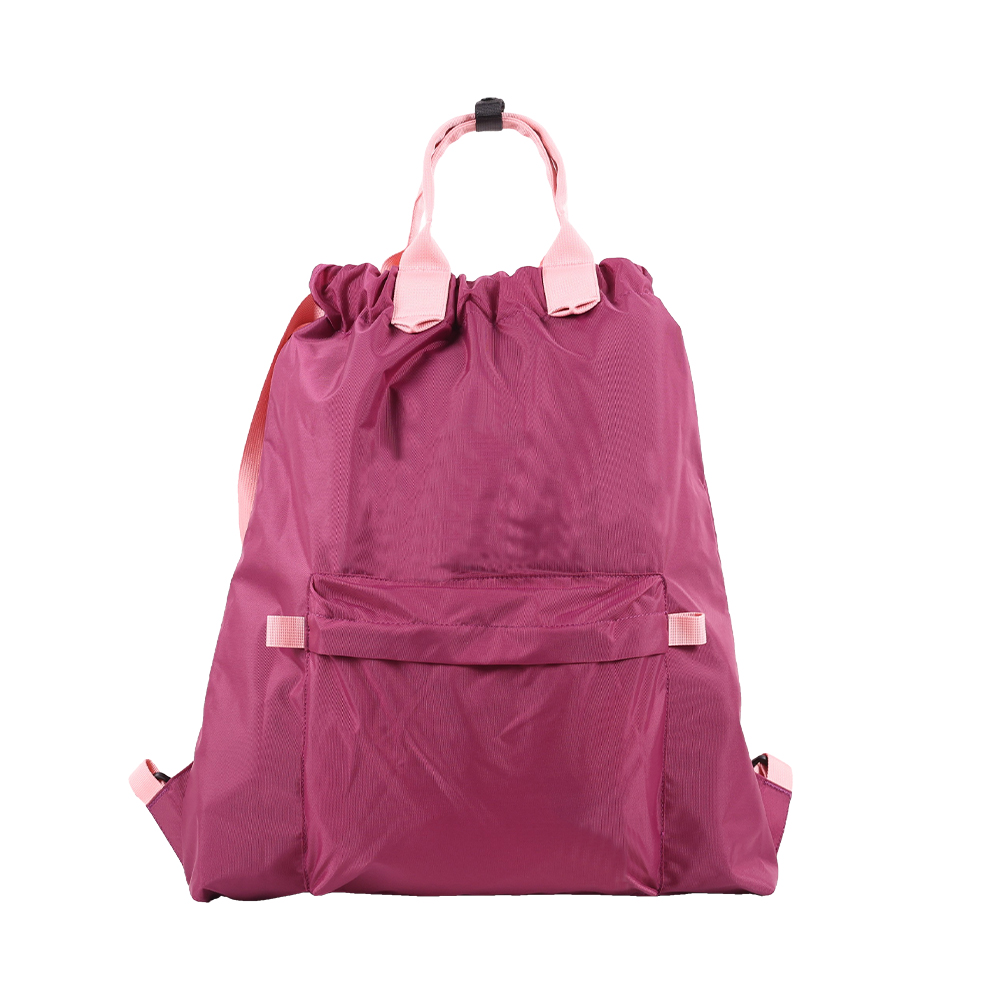
Set clear technical packs, require signed sample approvals, schedule milestone inspections and keep a tight revision log. When you need a partner that bridges design clarity with consistent output, a supplier that documents runs, supports controlled sampling and communicates timelines becomes part of your product team — one practical outcome is fewer reworks and predictable deliveries, which is the kind of consistency offered by ChangRong.